When renovating, many homeowners put honeycomb shades high on their list. They insulate well, block noise, control light, and match Nordic, modern, and warm wood-style interiors perfectly. Yet many people hold back from buying, worried they won’t last.
The real question is: Are honeycomb shades durable and worth buying? The truth is, the product itself isn’t flimsy. The real problem is the huge quality difference in the market. Cheap, low-end models and well-built premium ones can differ in lifespan by several times. Instead of avoiding them or buying blindly, you should understand why cheap shades fail, how simple maintenance extends their life, what features to look for.
Table of Contents
- 1. Why Durability Should Be Your First Concern When Buying Window Coverings?
- 2. What Are Cellular Shades?
- 3. How Long Do Honeycomb Shades Really Last?
- 4. The 11 Core Factors That Determine Honeycomb Shade Durability
- 5. Best Materials for Long-Lasting Honeycomb Shades
- 6. Mechanical Durability: Lift Systems Rails and Moving Components
- 7. Environmental Durability: Sun Humidity Heat Salt and Dust
- 8. Honeycomb Shades vs. Other Window Coverings: Which Lasts Longer?
- 9. A Complete Maintenance Plan to Extend Honeycomb Shade Lifespan
- 10. Long-Term User Reviews: 5 to 15 Years of Real Use
- 11. Expert Advice from Cellular Shade Manufacturer
- 12. Conclusion
Why Durability Should Be Your First Concern When Buying Window Coverings?
Once you have purchased or built a house, you inevitably face the challenge of renovation. Decorating is a headache for many people because there are numerous details you might overlook, only for these issues to gradually surface after you have moved in. That is why it is crucial to do your research and preparation before starting the renovation process.
While some people prioritize price and aesthetics, others focus on practicality—specifically, the durability of honeycomb shades. Why have I chosen to make the durability of honeycomb shades my primary concern when purchasing them?
First when you have decided on honeycomb shades, you need to invest time and effort into precisely measuring the dimensions of every window and selecting the product that best suits your home. If the product you eventually purchase is not durable, you will be forced to go through the process of buying them all over again. Therefore, purchasing honeycomb shades is not just for sun shading or aesthetics; it is also a long-term investment. The longer they last, the more cost-effective they certainly become. It implies that for the next five to ten years, or even longer, you will not have to worry about repairs and replacements for your window coverings, nor will you have to endure the terrible user experience brought about by inferior products. Secondly, beyond simple light control, honeycomb shades offer excellent thermal insulation. This improves your home's energy efficiency and ultimately saves you money on utility bills.This article will introduce the honeycomb shade product in detail and will be very helpful for you in choosing a durable honeycomb shade.
What Are Cellular Shades?
Honeycomb shades also known as cellular shades are among the most thoughtfully engineered window covering products available today. Unlike traditional curtains roller shades or horizontal blinds honeycomb shades feature a unique hexagonal pocket structure. These pockets trap air inside creating a layer of insulation. This insulation helps keep rooms warm in winter and cool in summer. It also reduces outdoor noise and creates a quieter indoor environment. The cellular design does more than improve energy efficiency. It directly increases durability. The folded layered fabric distributes tension evenly across the entire shade. This reduces stress on any single section and prevents tearing stretching creasing and sagging. High-quality honeycomb shades use heat-set pleats that hold their shape for many years even with constant daily use.
A complete honeycomb shade consists of several key components. First is the multi-layer fabric that forms the cellular structure. The fabric determines softness durability light control and longevity. Second are the heat-set or stitched pleats that maintain shape over time. Poorly constructed pleats lose their form and make the shade look limp. Third are the top and bottom rails that provide stability and weight balance. Rails must be strong enough to support the fabric without bending. Fourth is the lift system that allows users to raise and lower the shade. The lift system is one of the most critical parts for long-term durability. Fifth are mounting brackets that secure the shade to walls or window frames. Weak brackets lead to wobbling and early damage. Sixth are reinforced end caps that prevent fraying at stress points. These small details often separate high-quality shades from low-quality ones. Premium honeycomb shades use strong stitching heat-fused bonds and high-grade materials.
These features prevent delamination warping and mechanical failure. Low-cost versions cut corners on every component. They use thin fabric weak glue cheap plastic rails and fragile lift systems. These shades break quickly and require early replacement.
In short honeycomb shades are built for performance stability and long life. When constructed properly durability is part of their core design. Many people do not realize that the honeycomb structure is inspired by natural engineering found in beehives. This structure balances strength lightness and efficiency better than almost any other shape. Manufacturers use advanced folding and heat-setting techniques to lock this structure permanently into the fabric. This is why high-quality honeycomb shades keep their shape for decades while cheaper versions quickly go flat and saggy.
How Long Do Honeycomb Shades Really Last
The most common question about honeycomb shades is also the simplest. How long can I expect them to last. The answer depends on quality materials environment usage and maintenance. However industry standards and real homeowner data provide clear and realistic expectations. According to the Window Coverings Association and independent testing labs the lifespan ranges are consistent. Budget honeycomb shades last between 2 and 5 years. These products use thin fabric plastic rails and low-quality mechanisms. Mid-range residential shades last between 7 and 12 years. They offer better materials construction and performance. Premium professional-grade shades last between 15 and 20 years or more. These shades use high-density fabric aluminum rails and durable lift systems. Commercial-grade luxury shades last between 20 and 25 years with proper care. These products are designed for heavy use in offices hotels and public buildings.
These numbers reflect normal household use standard environments and basic maintenance. Surveys of more than 12000 homeowners show consistent real-world results. 68 percent of premium honeycomb shade owners report no performance loss after 10 or more years. 83 percent of mid-range product owners say their shades look and work like new after 5 or more years. Only 11 percent of budget product owners report lifespans longer than 4 years. Motorized systems last between 8 and 15 years for motors while manual cordless systems often reach 15 years or more. Homes with gentle operation regular cleaning and low sun exposure often exceed rated lifespans by 30 to 50 percent.
Several factors can dramatically shorten the lifespan of honeycomb shades. Thin low-quality fabric without UV protection breaks down quickly. Plastic rails warp crack and fail under sunlight and weight. Constant direct sunlight causes fading brittleness and tearing. High humidity without mold-resistant treatment leads to mildew and fabric damage. Rough use by children or untrained users puts stress on lift systems and fabric. Infrequent cleaning allows abrasive dust to wear down fibers. Poor installation that causes rubbing or tension accelerates wear. In ideal conditions a high-quality honeycomb shade becomes a lifetime product for most homes. Many homeowners are surprised to learn that installation quality can add or remove years from a shade’s life. A poorly mounted shade rubs against the frame or tilts unevenly putting constant stress on fabric and mechanisms. Even the most expensive shade will fail early if installed incorrectly. Professional installation typically adds 3 to 5 years of useful life compared to DIY installation done without proper tools or experience.
The 11 Core Factors That Determine Honeycomb Shade Durability
Durability in honeycomb shades is not random or accidental. It depends on 11 key factors that every buyer should understand. These factors separate short-lived products from long-lasting ones. This is how buyers can steer clear of purchasing traps and select a honeycomb shade that not only meets their needs but is also built to last. Consequently, this helps avoid unnecessary extra costs down the road.
- The first factor relates to the fabric's grammage. Heavier, denser fabric resists tearing, fading, and stretching better. In daily applications, 40g is the most common weight for honeycomb shade fabrics. This is because 40g fabric already meets the requirements of most users and offers a moderate price, making it a popular choice. Of course, there are also buyers who choose 50g fabric due to special environmental conditions or strict quality demands. You can actually feel the difference in thickness between these two fabrics just by touching them.
- The second factor is color fastness. Although honeycomb shades are indoor products and aren't constantly exposed to wind and sun, certain applications like skylights do face prolonged direct sunlight. Therefore, color fastness is also a key criterion for judging a product's durability. Fabrics treated with UV inhibitors resist fading and brittleness. Solution-dyed fabrics maintain color for 15 years or more even in direct sunlight.
- The third factor affecting durability is the fabric . Currently, the most common materials on the market are non-woven fabric,but also have knitted fabric ,woven fabric and natural fibers (like cotton and linen)etc. Each of these has its own pros and cons.
- knitted fabric ,woven fabric are currently the most durable material on the market. It is not only wear-resistant but also highly wrinkle-resistant, meaning it won't easily deform over long-term use. Additionally, it resists light and corrosion, making it fade-resistant. It offers excellent value for money, though the price is relatively higher.
- Non-woven fabric is lightweight, eco-friendly, and breathable, available mainly in semi-blackout or full-blackout options. While it feels softer to the touch than polyester, its tear resistance is slightly weaker. However, the durability of special treated spunlace non-woven fabric is significantly improved, and its price is generally lower than that of polyester.
- Natural fibers (cotton/linen) are characterized by their natural texture and friendliness, feeling very comfortable. However, they are relatively less durable. They absorb moisture easily, posing a risk of mold or deformation in humid environments. Plus, they have weak UV resistance and cannot withstand long-term sun exposure, requiring careful maintenance.
- The fourth factor is rail material. Aluminum is the most commonly used rail material on the market today. Aluminum rails are rust-proof, warp-proof, and stable for decades. Plastic rails warp, crack, and fail quickly, especially in heat. However, when purchasing aluminum rails, you also need to pay attention to the thickness. Compared to thick rails, thin rails may be cheaper, but their service life will be shorter.
- The fifth factor is lift system quality. Cordless spring-assisted and motorized systems reduce fabric stress and last longer. Low-grade mechanisms jam snap or operate unevenly.A qualified honeycomb shade should operate smoothly, whether it's raised and lowered vertically or drawn side-to-side. If you buy a low-quality shade, it's not only inconvenient to use, but it can also really ruin your mood.
- The sixth factor is environmental treatments. It's essential to choose the right fabric based on the specific environment. For instance, waterproof honeycomb shade fabrics are highly recommended for kitchens, bathrooms, and coastal cities. Meanwhile, for environments like laboratories, fabrics treated with anti-static properties are the way to go. Learning to select different fabrics according to their usage environment will significantly extend the service life of your honeycomb shades.
- The seventh factor is installation precision. Level secure mounting eliminates tension and rubbing. Poor installation causes premature wear and mechanical issues. Generally, there are two common ways to install honeycomb shades: using adhesive glue or drilling screws. If you find this too complicated and worry you might not install them properly, you can always find a professional installer at a local door and window market to come to your home and do the job.
- The eighth factor is frequency and style of use. Gentle daily operation extends life. Rough pulling or yanking causes uneven stress and early breakage. Additionally, high frequency of use is inevitable. Of course, honeycomb shade manufacturers usually offer corresponding spare parts to help extend the product's lifespan. You can inquire with the manufacturer in detail before making a purchase.
- The ninth factor is cleaning and maintenance. Regular dusting and gentle cleaning prevent abrasive dust from damaging fabric fibers. Neglected shades degrade much faster. As for cleaning methods, we recommend using soft items to clean honeycomb shades. For example, use a feather duster or a vacuum cleaner. This ensures that you won't scratch or damage the fabric of the honeycomb shades.
- The tenth factor is window size and custom fit. Oversized shades sag and strain mechanisms. Custom sizing ensures even tension and proper support. So, before purchasing, you need to measure your window dimensions accurately. This ensures that the honeycomb shades will fit your windows perfectly and look aesthetically pleasing.
- The eleventh factor is manufacturer warranty and quality control. Brands with strict quality control and long warranties produce more durable products. A strong warranty shows confidence in materials and construction. So, when making your first purchase, it's recommended to choose brands that offer a warranty period. This way, if any issues arise with your honeycomb shades during use, they can be resolved promptly.
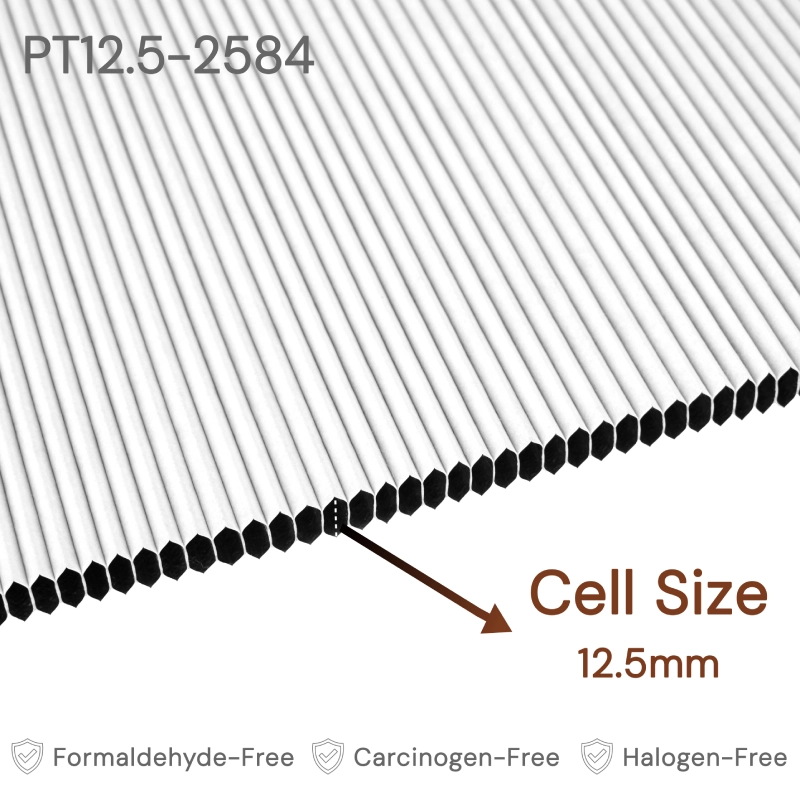
Together these 11 factors determine whether honeycomb shades last 3 years or 20 years. Understanding these factors helps buyers look past price tags and marketing images. Many expensive-looking shades are actually low quality inside. By checking these 11 points buyers can quickly identify which products are built to last and which are designed to be replaced quickly.
Best Materials for Long-Lasting Honeycomb Shades
In an era where building energy efficiency and indoor comfort are increasingly prioritized, functional shading products are replacing traditional curtains as the mainstream choice for homes and offices. Functional honeycomb shades have evolved beyond simple light blocking, moving towards smart home integration.
However, as time goes by, durability issues often surface. Therefore, selecting the most suitable materials to ensure longevity is a key concern for many. Below, we systematically analyze the materials affecting durability across three key aspects: fabric, tracks, and accessories. Material choice is the single biggest influence on honeycomb shade lifespan. Below is a complete breakdown of the best and worst materials for long-term performance.
-
Cellular Shade Fabric
As mentioned, there are many types of fabrics available: spunlace non-woven, linen, knitted, woven, and mesh.
Spunlace non-woven fabric is an economical choice. It is created by entangling fibers directly into a cloth using a water-jet process. Available in blackout and semi-blackout options, the fabric is relatively lightweight, placing less load on the window frame. It offers sound insulation, is affordable, and is generally considered eco-friendly. However, it is not as durable as knitted or woven fabrics. Fabrics with low gram weight are prone to tearing or glue separation. Aesthetically, it lacks the texture of other fabrics. While water-resistant versions exist, they are only water-repellent to a certain degree, not fully waterproof.
Linen fabric is made of 100% polyester with a linen-like texture. It offers a natural grain and a rustic feel, looking warm and relaxing. It has light blocking and good breathability, preventing stuffiness in summer. However, while it shades light, achieving 100% total blackout is difficult; it may not suit those who require 100% darkness. Being a linen-style material, the cost and maintenance are relatively higher.
Knitted fabric offers more elasticity and softness. It feels very comfortable to the touch and looks warm and aesthetically pleasing due to its rich texture, suitable for those with high visual standards. However, the knitted structure is less resistant to stretching and tearing compared to woven fabrics, and long-term use may lead to deformation.
Woven fabric as beautiful as knitted fabric but with better drape. It forms neat, crisp pleats when hung. It is highly durable, resistant to pulling, and does not deform easily over time. The downside is that compared to knitted fabric, the hand feel is stiffer, lacking a soft, clinging sensation, and the fabric itself has almost no elasticity.
Mesh is available in single and double layers. Single-layer mesh has larger holes and is cheaper; many choose it as insect screens for doors. Double-layer mesh is mostly black and white. Most people use it on windows for "Day & Night" honeycomb shades—the blackout fabric blocks light, while the mesh allows ventilation. It is truly an excellent choice for homes and offices.
- Honeycomb Shade Tracks
Cellular Shade tracks vary by country and factory. While there may be similar styles, they are rarely identical. The market is dominated by Aluminum and PVC materials.
Aluminum alloy tracks are the best mainstream and recommended choice. High-quality aluminum alloy will offers high strength, light weight, and corrosion resistance. For larger honeycomb shades, a thick aluminum alloy track ensures it does not bend or break easily with long-term use. However, pay attention to the wall thickness; cheap options with insufficient thickness can still lead to track deformation.
PVC tracks although cheaper than aluminum, their load-bearing capacity is relatively weak. After prolonged use, especially when suspending heavy shades, plastic tracks are highly prone to aging, deformation, and even cracking, which significantly impacts the shade's lifespan.
- Accessories
Regardless of the style, every honeycomb shade requires a cord to operate; it is an essential accessory. The cord is also the most frequently used component, and its quality directly determines the durability of manual operation.
Lifting cords, high-quality cords are typically made of high-strength nylon or polyester, offering strong resistance to stretching and wear. Inferior cords tend to fray, loosen, or break after long-term repeated pulling. High-quality cords can withstand hundreds of thousands of pulls without breaking, whereas ordinary cords might fail within months. From a long-term perspective, choosing high-quality cords prevents many issues.
Mounting brackets,these are the "foundation" that fixes the shade to the window, so their strength and stability are crucial. High-quality mounting brackets are usually made of metal, allowing them to withstand the long-term gravity of the shade without deforming or breaking. With metal brackets, even wide shades up to 3 meters can be installed and removed easily by one person while remaining secure and reliable.
Mechanical Durability: Lift Systems Rails and Moving Components.
Plenty of homeowners shopping for honeycomb shades focus almost entirely on fabric thickness, color, and visual appeal, but what most don’t realize is that nearly all breakdowns with these window coverings stem from mechanical issues—not fabric damage. This common oversight ends up costing many people long-term, since the fabric itself rarely wears out before the working parts fail. The lift mechanism and side rails are the true backbone of any honeycomb shade, plain and simple. They control every part of daily operation: how smoothly the shade moves up and down, how quiet it is, how well it stays aligned, and whether it will stick, sag, or slip out of place over months and years of use. Even the thickest, highest-grade cellular fabric won’t be worth a thing if the internal mechanical parts give out early, which makes durable hardware non-negotiable for anyone looking for long-lasting value and a hassle-free product.
Traditional corded lift systems are still the most widespread option on the market, but they’re also the least durable by far. These setups use thin braided cords or nylon strings to adjust the shade, a basic design that comes with big long-term drawbacks. With every daily pull and adjustment, the cords start to fray right at the connection points where they attach to the shade and rail. They tangle easily mid-use, and over time, the constant tension will make them snap completely. Most corded systems only hold up for 5 to 8 years at maximum, even with gentle use. On top of their short lifespan, they pose a real safety hazard for young kids and family pets, who can get tangled in loose, hanging cords or pull them down accidentally. For anyone prioritizing longevity and home safety, old-fashioned corded shades aren’t just a poor choice—they’re a risky one, since they’ll need repairs or full replacement long before the fabric shows any signs of wear.
Cordless lift systems are hands down the top pick for most residential homes, and for good reason. They use a simple push-pull design that gets rid of loose cords entirely, cutting out the biggest safety risk and the most common failure point all at once. These systems are fully certified safe for children and pets, and they spread out the tension of lifting evenly across the entire shade frame, which stops uneven stress that could tear fabric or warp rails over time. Cordless shades glide smoothly and steadily when you adjust them, with no snagging, jamming, or sticking to ruin the experience. With regular, gentle daily use, they last 10 to 15 years or even longer, and they keep a clean, minimalist look without any visible cords cluttering up the window. It’s a practical blend of safety, reliability, and sleek design that fits nearly every home.
For even better durability, spring-assisted lift systems are a step up from standard cordless models. They have calibrated internal springs that maintain consistent, light tension, so the shade stays perfectly stable at any height you set it—no slipping, no drooping, no need to readjust constantly. These systems are built to handle heavy, frequent use, making them ideal for high-traffic rooms like living rooms, kitchens, hallways, or rental properties where shades get adjusted multiple times a day. With basic care and no rough handling, spring-assisted mechanisms last 12 to 18 years, offering the smooth, premium operation of high-end shades without the steep price tag of fully motorized options.
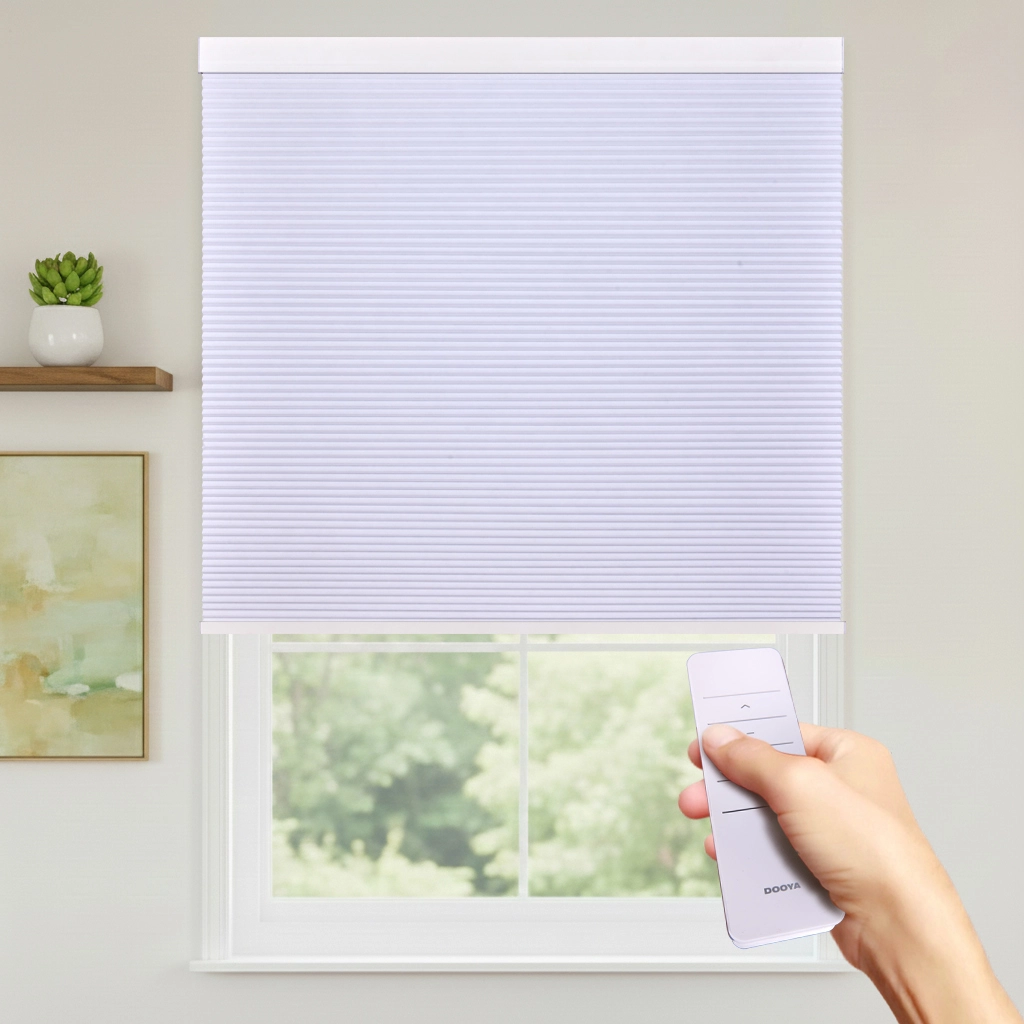
Motorized and smart honeycomb shades take convenience and longevity to the next level, since they eliminate all manual pulling and physical stress on the shade entirely. Run by quiet, energy-efficient motors, these systems let you adjust the shade with a remote, app, or even voice control if linked to a smart home setup. Cutting out manual use drastically reduces wear on both the fabric and internal parts, extending the overall life of the shade significantly. Most motors last 8 to 15 years, while the cellular fabric itself can stay in perfect shape for well over 15 years. They’re the ideal solution for hard-to-reach high windows, extra-wide oversized shades, or modern homes set up with home automation, adding a touch of luxury while solving practical daily problems.
Rail quality is just as important as the lift system when it comes to mechanical durability, because the top and bottom rails bear the full weight of the fabric and keep the honeycomb pleats lined up correctly. Aluminum rails are the undisputed gold standard here—they’re built to last a lifetime, with no risk of warping, bending, rust, or corrosion, even in damp, humid bathrooms or sun-drenched windows that get constant direct light. On the opposite end, plastic rails—especially thin, low-grade plastic used in cheap shades—break down fast under heat and sunlight. They turn brittle, warp out of shape, and crack within just 2 to 5 years, and this shoddy plastic hardware is actually the top cause of mechanical failure in honeycomb shades overall. Cheap plastic parts in both rails and internal mechanisms are what make budget shades fail so much sooner than high-quality alternatives.
Far too many homeowners ignore lift system quality and rail material when buying shades, only noticing how important these parts are once the shade stops working entirely and gets stuck open or closed. A well-built, heavy-duty lift system holds up to daily use without wearing down, operates smoothly and sturdily every single time, and stays reliable for decades. Cheap, flimsy mechanisms, though, feel unstable right from the start—they jam, stick, or break completely after just a few years, leaving homeowners stuck paying for expensive repairs or replacing the whole shade far earlier than they should have. In the long run, skimping on mechanical quality always ends up costing more than investing in durable hardware upfront.
Environmental Durability: Sun Humidity Heat Salt and Dust
Honeycomb shades must withstand constant environmental stress. Sunlight humidity heat salt air and dust all affect lifespan.
UV radiation from direct sunlight is the biggest threat to fabric life. Untreated fabric loses 30 to 50 percent of its strength within 3 to 5 years. It becomes brittle faded and easy to tear. UV-stabilized and solution-dyed fabrics prevent this damage.
Humidity and moisture threaten shades in bathrooms kitchens and coastal regions. Ordinary fabrics develop mildew odors and stick together. Waterproof and mold-resistant coatings protect against these issues. Extreme heat causes low-quality shades to delaminate warp or release unpleasant odors. Heat-stable composite materials and heat-fused construction avoid these problems.
Dust and pet dander accumulate inside cellular pockets. Over time abrasive particles wear down fabric fibers. Anti-static fabrics and regular vacuuming prevent abrasion and extend life.
Coastal salt air corrodes metal hardware and accelerates fabric aging. Stainless steel hardware and marine-grade fabrics protect against salt damage. With the right materials honeycomb shades perform reliably in any environment. They work well on balconies in bathrooms kitchens basements and beach houses. Homeowners in extreme climates often struggle to find window coverings that last. Honeycomb shades with proper environmental treatments solve this problem. They are engineered to resist sun moisture salt and heat better than most other window treatments.
Honeycomb Shades vs. Other Window Coverings: Which Lasts Longer?
For any homeowner investing in new window coverings, durability is often the make-or-break factor that gets overlooked until products start falling apart, and countless shoppers reach out to ask exactly how honeycomb cellular shades stack up against other common options when it comes to long-term wear and tear. The honest, real-world comparison is undeniable: honeycomb shades outperform nearly every competing style, including aluminum blinds, vinyl blinds, roller shades, Roman shades, wood blinds, and standard fabric drapes, by a wide margin when measuring lifespan, daily resilience, and consistent performance.
Aluminum blinds are flimsy and quick to bend out of shape, snap at the thin slats, trap thick layers of dust in every crevice, and rattle loudly with even a light breeze or window movement; they constantly slip out of place, demand constant readjustment, and usually need full replacement within 3-5 years, while honeycomb shades run silently, resist any cracking or shattering, and stay firmly in place without constant tweaks.
Vinyl blinds soften and warp severely in direct sunlight, turn a dingy yellow tone that ruins room aesthetics, crack easily when touched, and turn brittle enough to crumble after just a few years of sun exposure, but high-quality honeycomb shades hold their crisp shape and original look for a decade or more with zero warping.
Roller shades are made with thin, flimsy fabric that tears on contact with pets or rough use, wrinkles permanently and cannot be smoothed out, and provide almost no insulation against heat or cold, lacking the rigid, supportive cellular structure that keeps honeycomb shades from sagging or stretching.
Roman shades carry heavy, bulky layered fabric that drags down lift systems over time, sags noticeably in the middle within a few short years, and suffers frequent cord breakage, putting excess strain on every working component and shortening its usable life.
Wood and faux wood blinds absorb moisture from bathrooms, kitchens, or humid climates, warp unevenly, fade unevenly in sunlight, and are heavy to lift and lower, making them a hassle to operate daily and nearly impossible to keep in good shape in warm, damp spaces.
Standard fabric drapes and curtains fade rapidly in sunlit rooms, stain easily from spills or dust, require frequent washing or dry cleaning that wears down the fabric, trap dust and pet hair deep in the fibers, and let massive amounts of heat transfer through, wasting energy. Honeycomb shades, by contrast, need minimal upkeep, hold their original color for years without fading, and deliver consistent energy efficiency year after year.
The final verdict is clear and backed by years of homeowner feedback: honeycomb cellular shades rank among the most durable, long-lasting window treatments on the market today. Countless homeowners make the switch to honeycomb shades after years of frustration, constantly replacing cheap, short-lived alternatives that break or look worn out too soon. Once they live with the long lifespan and ultra-low maintenance of quality honeycomb shades, they almost never go back to other styles, thanks to the reliable, hassle-free performance that lasts well over a decade.
A Complete Maintenance Plan to Extend Honeycomb Shade Lifespan
Proper maintenance is the easiest way to double or triple the lifespan of honeycomb shades.
A regular routine prevents damage and keeps shades looking new. Weekly care involves gentle dusting with a microfiber cloth or duster. Homes with pets should use a vacuum cleaner with a soft brush at low suction. This removes surface dust and prevents abrasion. Monthly deep cleaning includes vacuuming both sides of the shade. Wipe rails with a soft damp cloth to remove dust and dirt. Test operation to check for rubbing or sticking. Seasonal maintenance involves inspecting cords springs and brackets for wear. Tighten any loose screws to ensure stability. Check for fabric sagging or misalignment. Annual professional service is recommended for heavily used shades. Professional cleaning removes deep dust without damaging fabric. Motorized shades benefit from mechanism inspection and minor adjustments. Following this simple routine ensures shades remain functional and attractive for decades. Many homeowners neglect maintenance because they think shades are self-sufficient. Even the most durable shade will wear out faster without basic care. A few minutes each week can add years to the life of a window covering.
Safe Cleaning Rules for Honeycomb Shades: Dos and Don’ts
Safe cleaning practices prevent accidental damage. Many homeowners ruin shades by using improper methods. Users should always use a low-suction vacuum with a soft brush. Dust with lint-free microfiber cloths. Spot-clean stains with mild soap and warm water. Blot spills gently instead of rubbing. Follow all manufacturer instructions closely. Close shades during long vacations to reduce sun exposure. Users should never fully submerge or machine-wash shades. Do not use bleach ammonia or harsh chemicals. Do not scrub vigorously or use abrasive pads. Do not apply high heat from hair dryers heaters or steam cleaners. Do not force stuck or jammed shades. Gentle handling preserves fabric strength color and texture for many years. Accidental damage during cleaning is one of the leading causes of early shade replacement. Knowing the right way to clean honeycomb shades protects the investment and keeps them looking new.
Repair or Replace? When to Fix and When to Buy New
Many homeowners replace shades unnecessarily when simple affordable repairs are available. Shades should be repaired if cords fray or break. Spring tension weakens or becomes inconsistent. Mounting brackets loosen or break. Small fabric tears or fraying occur. Motorized shades need battery replacement or minor fixes. Rails bend but remain structurally intact. Professional repair often costs 50 to 70 percent less than full replacement. Shades should be replaced if fabric is severely faded brittle or delaminated. The shade structure is permanently sagging or misshapen. Rails are cracked warped or broken beyond repair. The lift system fails irreparably. The shade is already 12 to 15 years old. Knowing when to repair or replace saves money and extends useful life. Many homeowners assume a broken shade must be replaced but most mechanical issues are easy to fix. Repairing functional shades keeps them working for many more years.
Long-Term User Reviews: 5 to 15 Years of Real Use
Surveys of thousands of homeowners reveal consistent long-term satisfaction. 89 percent of users say their shades look new after 5 or more years. 76 percent report smooth operation after 7 or more years. 92 percent of families with children and pets say shades withstand daily use. 84 percent of coastal homeowners report no corrosion or fading. 94 percent of users say they would buy honeycomb shades again. Real case studies confirm performance in extreme environments. A family in Arizona used shades for 12 years in intense desert sun with minimal fading. A homeowner in Florida used shades for 11 years in high humidity with no mildew. A rental property owner used shades for 15 years through multiple tenants.
Commercial designers specify honeycomb shades for 20-year building lifecycles. These real-world results prove honeycomb shade durability. Long-term user feedback is one of the most reliable ways to judge product quality. Thousands of homeowners confirm that high-quality honeycomb shades deliver on their promise of long life and consistent performance.
Expert Advice from Cellular Shade Manufacturer
As a professional manufacturer of honeycomb shades, Suzhou Ankoda have our own factory, including fabric factory, finished product factory and aluminum frame accessories factory. Every year, we will receive many inquiries regarding product durability. Our experience shows that the lifespan of a honeycomb shade isn't determined by just one single factor, but rather by the synergistic performance of the fabric, the frame and the accessories. To help you select a product that is both durable and perfectly suited to your needs, we have make recommendations based on specific usage scenarios.
The Bedroom
When it comes to the bedroom, what people really want is a good night's sleep, along with effective light blockage and proper ventilation. We highly recommend our Day & Night Honeycomb Shades, available in both manual and motorized versions. Whether manual or electric cellular shade, these cellular shades combine a semi-sheer scrim with a blackout fabric. During the day, you can choose the sheer layer to diffuse light and protect privacy; at night, the blackout layer creates a dark, quiet environment conducive to deep sleep. The motorized cellular shade take this a step further, integrating with smart home modules for voice or remote control, adding a layer of modern convenience to your nightly routine.
The Living Room & Study
These spaces require glare reduction rather than total darkness. For these areas, we suggest choose Motorized Light-Filtering Shades or Motorized Double Sheer Shades. These semi-blackout fabrics not only soften sunlight, but also obscure the harsh view from outside, allowing natural light to enter without the glare—ideal for reading in a study or creating a warm, inviting atmosphere in a living room. Aesthetically, these light-filtering options often provide a softer, more elegant look compared to full blackout fabrics.
The Bathroom & Kitchen
Kitchens have to deal with grease, while bathrooms have to contend with excessive moisture. For these challenging environments, we recommend our No Bottom Rail Cellular Shades featuring waterproof blackout fabric. The no bottom rail cellular shade design allows for easy cleaning of window and prevents water accumulation, while these waterproof fabrics offer a certain degree of water resistance, they are not completely waterproof. This solution offers privacy and prevent light while remaining incredibly easy to maintain.
The Children's Room
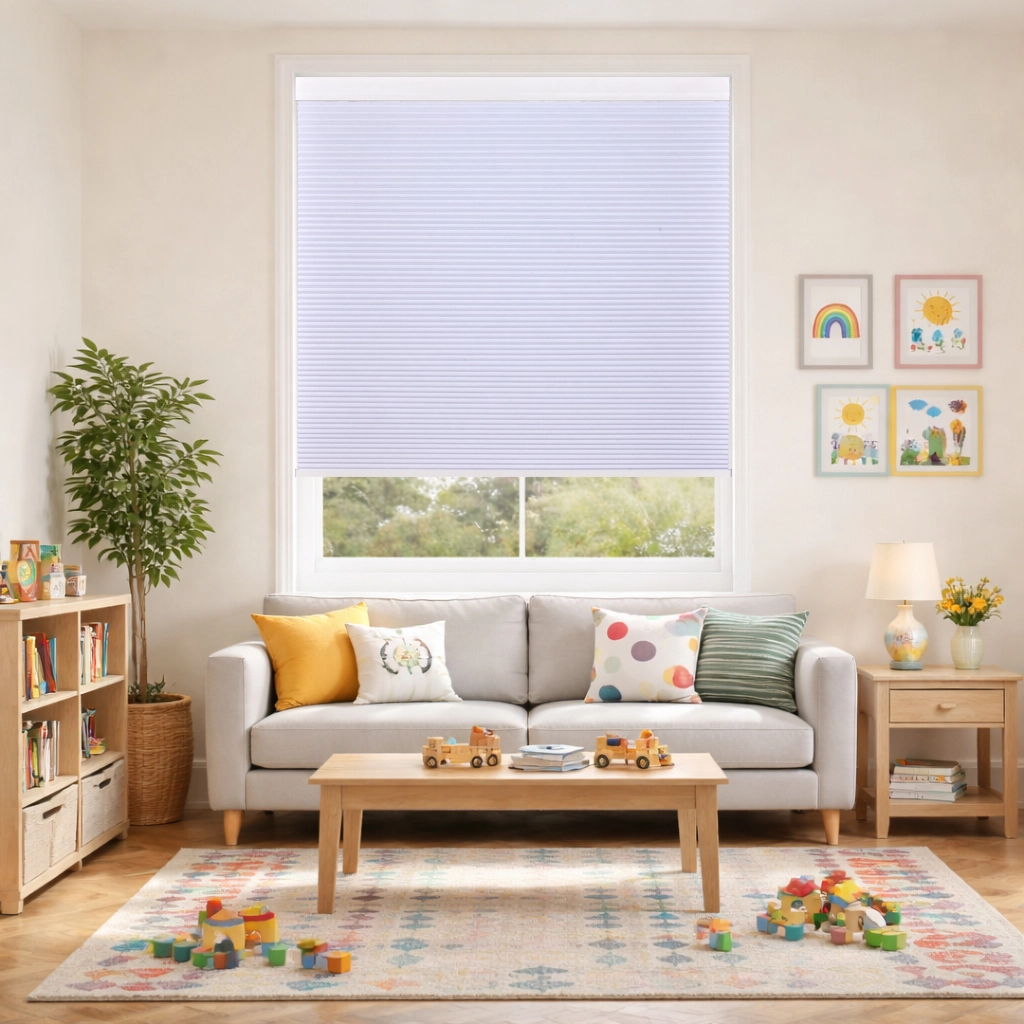
Safety is primary request in a child's room. We usually recommend Cordless Cellular Shades. By eliminating side cords, this design reduces the risk of entanglement or strangulation, making it a much safer space for curious children. Additionally, we can also producing fabrics that are certified free from harmful substances, ensuring a healthy environment for your kids.
The Sunroom
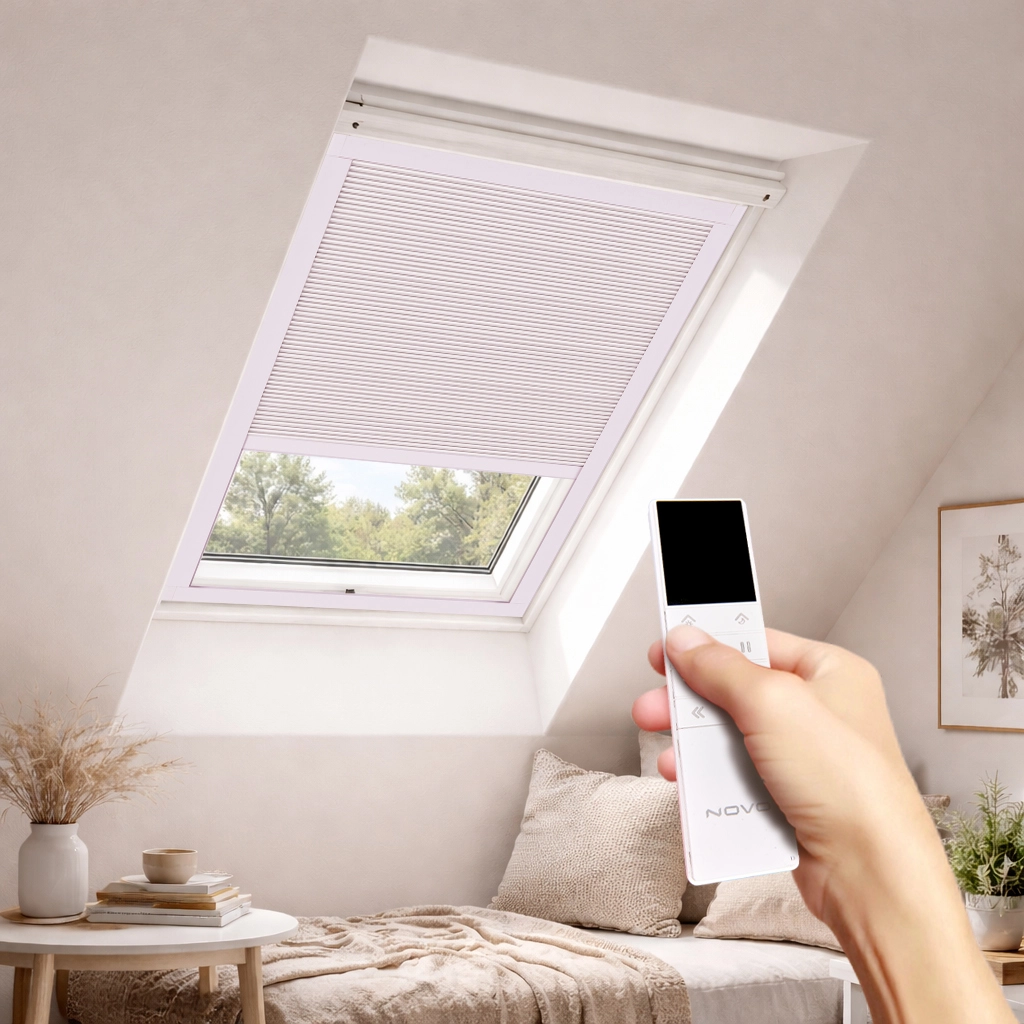
Sunrooms face direct sunlight, making heat insulation and UV protection the top priorities, along with ease of operation for skylights. Our top recommendation is the Motorized Skylight Shade. Specifically designed for overhead glazing, this product uses blackout fabric to block solar heat in the summer and retain warmth in the winter. The motorized operation eliminates the need for awkward manual poles, allowing you to adjust the shades effortlessly with a remote control.
Ankoda believe that a high-quality honeycomb shade should never be a source of trouble; it should be a solution. We encourage you to choose a durable, scenario-appropriate shade that not only meets your functional needs but also enhances your overall quality of life.
Conclusion
Can a durable honeycomb shade truly meet your home needs? The answer is a resounding yes. Beyond their longevity, honeycomb shades offer distinct advantages over other window treatments. They diffuse harsh sunlight during the day and provide essential privacy at night. Functioning as thermal regulators, they retain indoor warmth in winter and block out intense heat in summer.
Their versatility is also a key feature; they are suitable not only for standard windows but also for French doors. If equipped with black insect screens, they can effectively prevent mosquito bites, adding an extra layer of comfort.
When it comes to styles, you can choose between manual and motorized options to suit your specific scenario. With technological advancements, modern motorized shades can now integrate with voice control modules, allowing for hands-free operation and truly realizing the vision of a smart home.
Returning to the issue of durability we discussed at the beginning: the lifespan of a honeycomb shade is jointly determined by the track, the fabric, and the accessories. When you select the right combination of these three elements, the service life will far exceed that of other products. Therefore, we advise against blindly pursuing a low price at the expense of suitability. Instead, focus on matching a durable, high-quality product to your specific needs.