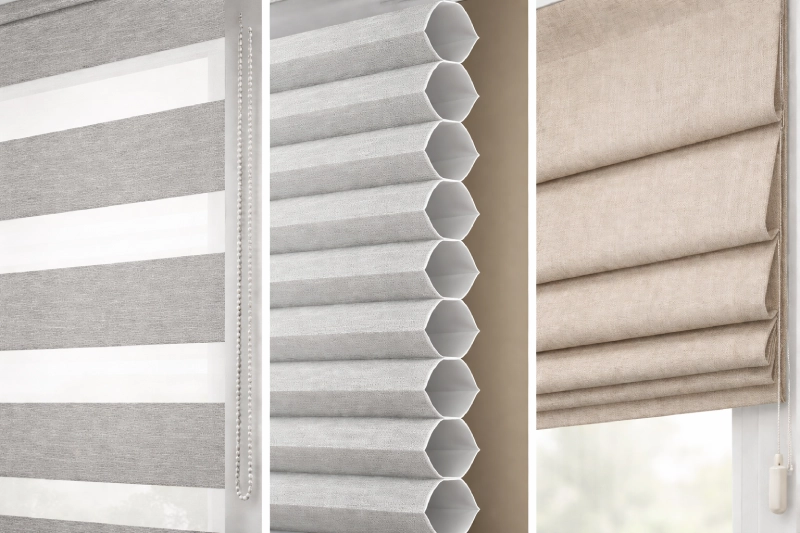
When choosing window treatments, cellular, zebra, and Roman shades each offer distinct looks and functions. Each type has unique design elements and performance traits. Cellular (honeycomb) shades are known for a clean, geometric look; zebra (also called transitional or dual) shades feature bold horizontal bands; and Roman shades present a classic folded fabric appearance. Below we compare these three popular shade styles in detail across design, light control, insulation, privacy, operation, cost, installation, care, durability, safety, customization, special-window compatibility, and ideal room uses. A summary comparison table is also provided for quick reference.
Table of Contents
- 1. Design and Aesthetic Style
- 2. Light Control and Blackout Ability
- 3. Energy Efficiency and Insulation
- 4. Privacy Performance
- 5. Operating Mechanisms
- 6. Price Range and Value for Money
- 7. Ease of Installation
- 8. Maintenance and Cleaning
- 9. Durability and Lifespan
- 10. Safety (Child and Pet Friendly Features)
- 11. Customization Options (Size, Fabric, Color, Fit)
- 12. Compatibility with Special Window Types (Arches, Skylights, Sliding Doors)
- 13. Best Use Cases and Room Suitability
- 14. Summary Comparison Table
- 15. Conclusion
Design and Aesthetic Style
Zebra shades offer a modern, graphic look. They consist of alternating sheer and solid fabric stripes that create horizontal bands when viewed from indoors. In the “open” position, overlapping sheer bands let light in; in the “closed” position, aligning the opaque bands presents a striped block of color. This layered design delivers a distinctive, contemporary pattern that can be a bold focal point or a subtle texture, depending on fabric color. Zebra shades often come in neutral tones (whites, creams, grays) or two-tone combinations, complementing sleek, urban, or minimalist decors. The visible stripes add visual interest while still looking streamlined when fully lowered.
Cellular shades (honeycomb shades) have a clean, minimalist aesthetic. Made of pleated fabric that forms single or double honeycomb cells, they present a soft geometric pattern of repeating hexagonal or square pockets. The cells stack neatly when raised, showing stacked fabric folds. Cellular shades typically come in solid colors – ranging from bright white and neutrals to blues and greens – and often use light-filtering or opaque materials with a smooth finish. The look is more subtle than zebra or Roman; cellular shades blend into the window frame and walls when lowered. Their streamlined profile and uniform pleats suit modern, Scandinavian, or contemporary interiors where a simple, unobtrusive window treatment is preferred.
Roman shades are fabric-based and exude a classic, elegant charm. When lowered, Roman shades lie flat or form gentle horizontal folds (called hobbles) in the fabric. Raised, they stack into soft pleats at the top of the window. The fabric choice – linen, cotton, silk blends, or patterned textiles – gives Roman shades a rich, textured appearance. They often include decorative elements like trim, a decorative bottom bar, or valances. Roman shades come in virtually any color or pattern imaginable, from solid neutrals to bold prints. This variety lets them adapt to both traditional and modern decors. In formal living rooms or bedrooms, Roman shades can act as a stylish design statement, while in casual settings they provide a warm, fabric-rich accent. Overall, Roman shades emphasize fabric and form, making them more decorative and visually detailed than the simpler look of cellular or zebra shades.
Light Control and Blackout Ability
Cellular shades excel in offering a range of light control. They are manufactured in different opacity levels – from translucent light-filtering fabrics to room-darkening, and full blackout versions. Light-filtering cellular shades softly diffuse sunlight, creating a gentle glow without harsh glare. Room-darkening cellulars block a significant amount of light, suitable for media rooms or nurseries. Blackout cellular shades (often with a solid backing and tight-fitting side tracks) can block nearly all incoming light, ideal for bedrooms or home theaters. Because of their honeycomb structure, even light-filtering cellular fabrics tend to scatter light evenly, reducing hot spots. Note that when raised, the stacked cells may slightly obscure the view (in very raised positions a portion of the window is covered by the fabric stack).
Zebra shades provide adjustable light control but do not typically achieve total blackout. By sliding the shade’s layers, you can align the sheer strips for filtered daylight or align the solid strips for dimming. In the filtered position, natural light passes through the sheer panels and softens as it enters the room, maintaining privacy. In the dimming position, alternating opaque stripes cover the window, reducing glare. However, even in their most “closed” configuration, tiny gaps at the edges of the stripes may let a sliver of light through, so they fall short of true blackout. Some manufacturers offer heavier blackout fabrics for the solid bands to maximize darkness, but zebra shades inherently admit some light. This makes them suitable for living areas where adjustable ambient light is desired, but less ideal if you need complete darkness (for example, a very darkened bedroom for sensitive sleepers).
Roman shades also vary in light-blocking ability depending on material. Many Roman shades are made of heavier, opaque fabrics, so when fully lowered they cover the window completely. By themselves, darker or tightly woven Roman fabrics can block a lot of light, but not every Roman shade is 100% blackout. Sheer or light-colored Romans will let some daylight through unless paired with a blackout liner. For bedrooms, it’s common to add a liner to a Roman shade or choose a fabric marked “room darkening” or “blackout.” With a blackout liner, Roman shades can achieve near-complete darkness, comparable to blackout cellular shades. Without a liner, Roman shades usually allow soft light through, creating a gentle glow. In short, Romans can be tailored for either ambiance: a linen Roman might softly filter light, whereas a fully lined or dense-fabric Roman can serve like a blackout blind.
Energy Efficiency and Insulation
Cellular shades are renowned for their insulation benefits. The honeycomb cells trap air in pockets, forming a barrier between the window glass and the room. In winter, these air pockets help keep cold from seeping through the window; in summer, they slow heat gain. This can lower heating and cooling costs by stabilizing indoor temperatures. Double-cell (or triple-cell) cellular shades have even better insulation due to extra layers of trapped air. Many homeowners choose cellular shades specifically for this energy-saving feature. In fact, research often shows cellular (honeycomb) blinds as one of the most efficient window treatments for reducing heat transfer.
Zebra shades offer moderate insulation but are not primarily designed for energy savings. The fabric and layered construction do give a small insulating effect, especially when the opaque panels cover the window. However, the thin alternating stripes and lack of deep pockets mean they won’t trap air as effectively as cellular shades. In hot or cold climates, zebra shades won’t insulate nearly as well as honeycomb shades. Some zebra shades include a blackout layer for better thermal resistance, and motorized variants may have tension-fit side channels that reduce drafts. Still, in general, zebra shades have lower insulating value: they help a bit, but they won’t replace thick draperies or specially insulated window coverings in extreme conditions.
Roman shades fall between zebra and cellular for insulation. A properly installed Roman shade (especially a thick, lined style) can improve energy efficiency by blocking drafts and reducing heat exchange. Heavy fabrics or thermal liners add bulk and create an insulating layer over the glass. They do not have built-in air pockets like honeycomb shades, but the multiple layers of folded fabric can still trap some air. Overall, Roman shades can help keep rooms warmer or cooler, but not as dramatically as double-cell cellular shades. In summary, cellular shades are the champion for insulation, Roman shades are good if built heavy and lined, and zebra shades offer only modest temperature control by comparison.
Privacy Performance
All three shade styles provide privacy, but they do so differently. Cellular shades block the view from outside when fully lowered. An opaque or room-darkening cellular shade will obscure the interior from prying eyes. Light-filtering cellulars maintain privacy by diffusing light – you won’t see clearly through them, though in very bright backlighting there might be faint silhouettes or shadow outlines visible. For maximum privacy, many cellular shades have blackout options and can even be installed with side tracks to eliminate gaps. One consideration: unless you choose blackout fabric or add a liner, a light-colored cellular shade at night may allow some room light to glow outward, hinting at shapes inside.
Zebra shades maintain daytime privacy quite well while allowing controlled light. When the opaque bands are aligned (dimmed position), they form a near-continuous front layer, blocking direct views inside. However, the sheer bands mean they are not 100% opaque; at night with interior lights on, the sheer segments can allow silhouettes to be visible. Essentially, zebra shades create layers of fabric: for privacy you align the dark bands, but slight visibility can remain. When the sheer bands align (open position), you can see through the window similarly to a light-filtering shade. The key is that privacy in zebra shades can be quickly adjusted by lowering or raising the shade to the correct stripe alignment. They are excellent for living rooms where you want flexibility between full privacy and daylight.
Roman shades offer strong privacy when closed. A solid fabric Roman shade will completely cover a window, preventing outside views into the room. Unlike some blinds with slats, Romans have no gaps, so they block the sight line fully when lowered. Still, the level of privacy depends on fabric opacity: a sheer or very lightweight Roman will let light (and some shapes) through, whereas a heavy or lined Roman provides full coverage. For bedroom privacy, opaque or blackout Roman shades are often used. Note that all these shades – cellular, zebra, Roman – can also be used in a top-down / bottom-up configuration (available in some models) to allow light in from the top while keeping the bottom closed for privacy.
Operating Mechanisms
- Corded vs. Cordless: Traditional corded lifts exist for all three types, but modern installations favor cordless systems. Cellular and zebra shades often come standard in cordless versions for safety (a simple tension spring or handled bottom rail). Roman shades also have cordless options (sometimes using a wand or concealed pulley). Cordless operation provides a clean look and is safer around children and pets.
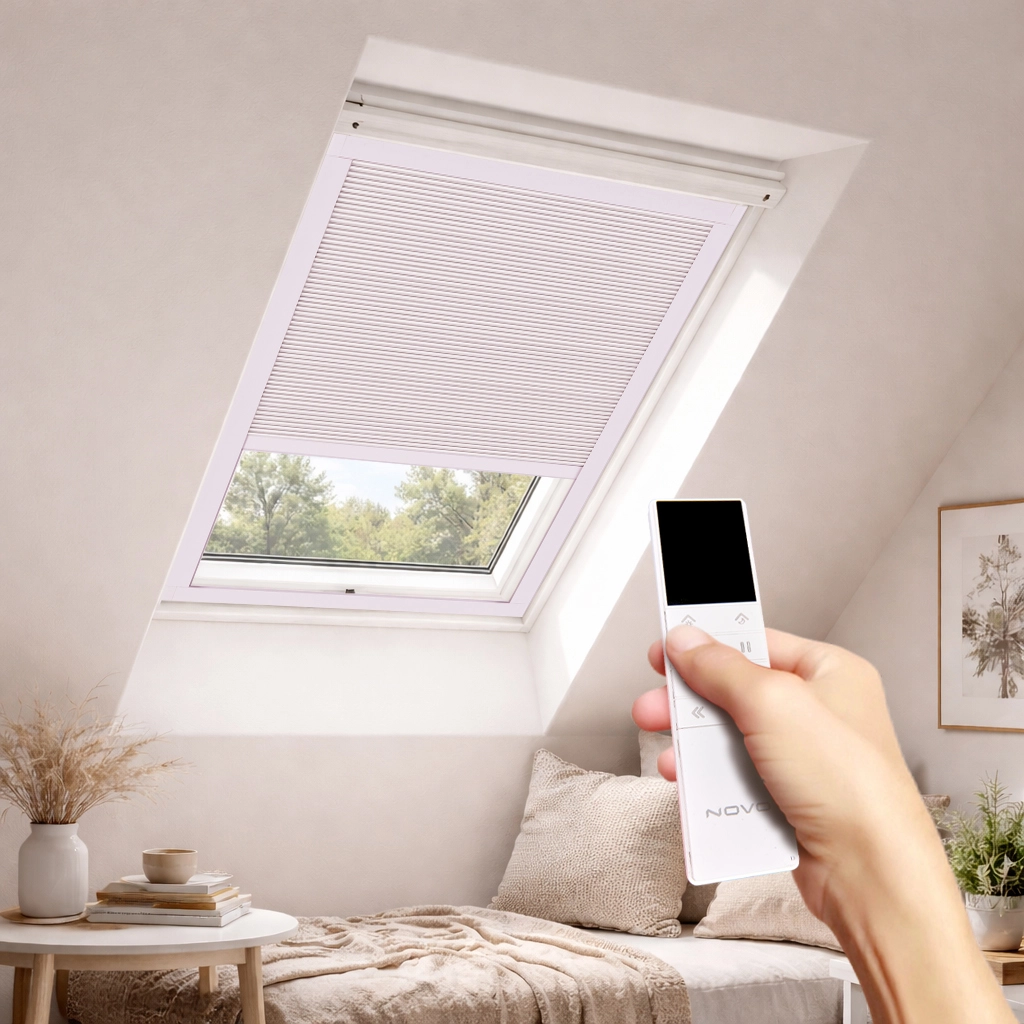
- Motorization: All three styles can be motorized. Battery-powered or hardwired motors allow remote control or smart-home integration. Motorized shades are popular for large windows or hard-to-reach places. They also enhance child safety by eliminating cords entirely.
- Top-Down/Bottom-Up: This lift style lets you lower the top of the shade or raise the bottom independently. It’s very common in cellular shades (often called “dual” or “day/night” cellular). Zebra shades inherently adjust light via layers but can also be made in top-down models. Roman shades can be offered in a top-down design, though it’s less common; some custom Roman systems include a split-headrail. This feature is valuable for controlling light and privacy simultaneously (light in from top, privacy at bottom).
- Manual Lift Controls: Corded or cordless: typically a continuous cord loop or a hook/handle on the bottom rail. Some Roman shades use beaded chains, while many cellular and zebra models use a simple tension handle. All mechanical controls should be snug (no slack) to ensure smooth operation.
In terms of user experience, all three types can function similarly once installed. Raising or lowering is generally smooth in cordless designs. Zebra shades have a double-layer fabric stack that shifts, so their mechanism resembles a roller shade in movement. Cellular shades lift in compact stacks. Roman shades may require slightly more force if very heavy, but cordless spring systems or motors mitigate this. Overall, none of these shades pose unusual complexity – installation tends to provide everything needed (brackets, mounting screws, and optional tension devices) and operation is straightforward.
Price Range and Value for Money
The cost of these shades varies widely by size, fabric choice, and features. In general:
- Cellular shades are usually mid-range in price. Basic light-filtering cellular shades are relatively affordable, but costs rise for larger, custom sizes, double-cell construction, or motorized versions. Blackout and top-down models are higher-priced. Though initially pricier than simple blinds, many buyers find the energy savings and comfort justify the cost over time.
- Zebra shades often fall in a similar mid-to-upper range. Standard zebra shades with polyester fabric tend to be moderately priced, competitive with custom roller shades. Designer or blackout fabrics, plus motorization, can push the price higher. Budget zebra shades exist (mass-market retailers offer entry-level dual shades under $50 for small sizes), but custom or smart shades ($200+) are typical for quality blinds. Zebra shades deliver good value if you want that fashionable look and adjustable light control at a reasonable price.
- Roman shades span the broadest range. They can be quite affordable if you choose simple, stock fabric designs (tension-fold Romans or basic contractor lines), but high-end Roman shades with luxury fabrics, patterns, and custom tailoring can be expensive. On average, expect Roman shades to be more expensive than comparable cellular or zebra shades, because of the labor in fabric cutting, hemming, and the variety of materials. However, Romans add significant decorative value, so many people find the investment worthwhile for living and bedroom windows.
All three types are available in budget-friendly DIY kits to high-end custom versions. In terms of value, cellular shades give a strong energy-saving return, zebra shades offer flexible light control and style, and Roman shades offer classic elegance. When comparing quotes, consider both the upfront cost and long-term benefits (like energy savings or design impact). Often, picking the right shade means balancing budget with functionality: for example, a simple roller shade might cost less than any of these, but it would lack many of the benefits these three offer.
Ease of Installation
All three shade types are generally straightforward to install for someone with basic DIY skills. They usually come with mounting brackets for either inside- or outside-frame installation. Some points to note:
- Cellular and Zebra shades: These often come in a headrail that mounts on brackets. Simply level the rail, click or snap it into place, and attach the bottom rail if applicable. Cellular shades with a top-down/bottom-up design may have an extra rail, but installation is similar. Clear instructions are typically provided, and pre-cut lengths mean minimal assembly. For very large shades, consider a helper to hold the shade during mounting.
- Roman shades: Roman shades also mount via a headrail, but because they are heavier (due to fabric weight), the brackets and screws may need to be more robust. Once the headrail is secure, the shade hangs from it and may require some gentle tugging to ensure smooth movement. Care should be taken to align the folds properly. Overall, installing Romans is not much harder, but may require a bit more care with leveling since any misalignment can cause uneven folding.
- Tools and Complexity: All can be installed with common tools (drill, screwdriver). No specialty skills are needed beyond measuring carefully and leveling. Many brands offer good online tutorials. If you have an irregular window, measures are key. In most cases you can install these yourself; however, professional installation is recommended for very large or high-up windows, or complicated motorized systems. When measuring, remember to account for any obstructions (door handles, trim). Installation videos often show exactly how to clip the shade into brackets and how to operate the lifting mechanism once hung.
In summary, ease of installation is comparable across cellular, zebra, and Roman shades. The main difference is that heavy Roman fabrics may require stronger anchors, while cellular and zebra shades are generally lighter. The presence of multiple brackets (for top-down models) or motor cables might add steps, but the process remains user-friendly. Most major retailers provide free measuring guides and sometimes free installation for custom orders, but do-it-yourself kits also make it quite accessible to install any of these shades at home.
Maintenance and Cleaning
Window shades in general require minimal maintenance compared to some treatments, but each type has its care tips:
- Cellular shades: Gently dust or vacuum with a brush attachment regularly to remove debris from the cells. The honeycomb structure can trap dust inside the pockets, so occasional deeper vacuuming inside the folds helps. Most cellular fabrics resist small stains; for spot cleaning, use a damp cloth and mild detergent, blot carefully, and avoid soaking the fabric. High-humidity areas should be avoided as moisture can deform the cells. Avoid harsh chemicals. A quick wipe-down every few months keeps them looking crisp. If a heavy stain occurs, some shades allow you to remove the shade and wash it by hand (check manufacturer instructions first).
- Zebra shades: These are fairly low-maintenance. Since the fabric is typically polyester or a similar synthetic, dust can be wiped off with a dry microfiber cloth or lightly vacuumed. For small marks, lightly dampen a cloth with water (no strong cleaners) and gently blot the area. The alternating layers of fabric mean both the sheer and opaque bands should be cleaned, but you do not need to disassemble the shade to do so. Motorized zebra shades, in particular, just need standard dusting and ensure the track stays free of obstructions. Overall, zebras are among the easiest to care for because they don’t have deep folds or pleats that trap dust.
- Roman shades: Because they are made of heavier fabric, cleaning requires more care. Regular vacuuming with a soft brush extension helps prevent dust buildup in the folds. Spot cleaning is possible on many Romans (a light soap or upholstery cleaner can be dabbed on stains), but always test in an inconspicuous spot first. Some delicate Roman fabrics (silk, natural fibers) may only be dry-cleaned professionally. Unlike hard blinds, you typically cannot simply wipe a Roman down fully. Keep Roman shades out of direct moisture (kitchen splatters or bathroom steam) unless they are designed to be moisture-resistant. Lastly, smooth any wrinkles or folds after washing or ironing on low heat if safe for the fabric.
In terms of longevity, expect that routine dusting and gentle cleaning extend the life of all these shades. Avoid abrasive scrubbing or soaking. Manufacturers often provide cleaning guidelines: for example, cellular and zebra shades almost never need machine washing, whereas some cotton Roman shades might tolerate very gentle hand-washing. In daily use, simply raising and lowering them keeps them fresh, and occasional quick dusting is usually sufficient to maintain appearance.
Durability and Lifespan
The lifespan of these shades depends on fabric quality, environment, and usage, but typical estimates are in the 5–10 year range for well-made products. Cellular shades have a sturdy construction with aluminum rails and durable polyester fabric, so they can last 5–10 years under normal conditions. Very cheap cellular shades might lose elasticity or sag sooner, especially if frequently raised under tension. Direct sun exposure can fade some fabrics over years. However, because cellular shades move relatively little fabric (they simply stack up), the wear on the material is minimal.
Zebra shades are often made of strong polyester or linen-blend fabrics that resist tearing and UV damage. They are generally durable and fade-resistant; you can expect 5–10+ years of use if they’re not continually exposed to intense sun (which could eventually weaken fibers). The moving parts (like rollers and cords) on a zebra blind are similar to other roller shades, so as long as the mechanism is good quality, they last a long time. Avoid yanking them too roughly, and they should provide several years of service. Many owners note that zipper or dual-layer blinds maintain their alignment over time if handled correctly.
Roman shades tend to be as durable as their fabric. A well-constructed Roman shade (with reinforced stitching, strong headrail, and high-quality fabric) can also last around 7–10 years. Lighter Roman fabrics can fade or sag faster if constantly sunlit; heavier or lined fabrics hold up longer. The lifting mechanism (cord or spring) is often the limiting factor; if a cord frays or a spring breaks, it can often be repaired or replaced. Because Roman shades are fabric, they can get worn or stained in way children’s hands or pets can affect them. Ultimately, all three styles can last years with gentle care. High-end versions may even come with warranties (1–3 years or more), reflecting their expected longevity.
Safety (Child and Pet Friendly Features)
Safety around children and pets is a key consideration for window coverings. Cordless designs are by far the safest, and fortunately all three shade types are widely available with cord-free options. Celluar and zebra shades commonly use a continuous loop or handle system that tucks away any cords, eliminating strangulation risks. Many are marketed specifically as “child and pet safe” for this reason. Roman shades, traditionally corded, also can be chosen in cordless or spring-loaded versions, or with optional chain holders that keep cords taut.
In addition, these shades can integrate safety features:
- Some cellular and zebra models offer top-down/bottom-up cordless lifts so no bottom cord is needed either.
- Motorized versions of any shade eliminate cords entirely – a button or remote controls the shade.
- Tension devices and cord clips (if cords exist) can secure cords out of reach, though we still recommend cordless lifts whenever possible.
- Bottom-rail tensioners can keep Roman shade cords from dangling if they are used.
When installed correctly, all three shades can be safe. However, the user must ensure that any loose cords are properly anchored. For households with infants or pets, cordless versions of cellular and zebra shades are often the default choice. Roman shades can be more problematic if left with long pull cords (some new Roman designs use hidden loop systems to mitigate this). In short, choosing cordless or motorized lifts and following safe installation practices makes cellular, zebra, or Roman shades entirely child- and pet-friendly.
Customization Options (Size, Fabric, Color, Fit)
All three shade styles are highly customizable. Options include precise sizing, a wide selection of fabrics, colors, and mounting styles. Specifically:
- Size and Fit: Cellular, zebra, and Roman shades can be custom-made to fit nearly any window dimension. They can be mounted inside the window frame, outside, or even on doors. Many manufacturers also offer specialty fits (like cutouts for crank handles). As long as you measure carefully or order free samples, you can get a tailor-fit shade for your space.
- Fabrics and Colors: Roman shades likely lead in fabric variety – you can choose from hundreds of textiles (linen, cotton, faux wood, bamboo blends, silks, etc.), patterns, and opacity levels. Cellular shades come in many colors and transparencies, though mostly in solid hues (ivory, gray, taupe, blue, etc.). Zebra shades have a good palette too, often in two-tone contrasts or neutrals, and now even some with printed stripes. Zebra brands may limit sheer bands to lighter neutrals for brightness, pairing with bold solid stripes. All three allow mixing and matching to suit décor – e.g. white cellular for bright simplicity, rich charcoal Roman for drama, or a vibrant teal zebra band for an accent.
- Cell Configuration: For cellular shades, you can choose single-cell or double-cell (for more insulation), and cell size (e.g. 3/8″ vs. 3/4″ deep cells). This changes both the look and performance. There are also options for pleated (flat) shades that resemble cellular without pockets, if you like the style but not the extra height when stacked.
- Mechanisms and Extras: Any of these shades can be ordered cordless, motorized, or with top-down bottom-up. You can also choose slatted valances, decorative trims, or matching fabric-wrap bottom rails. Some manufacturers allow combining shades (e.g., a blackout Roman shade with a sheer Roman overlay).
- Special Shapes: Cellular and Roman shades can often be custom cut for arches, angles, or bay windows. Zebra shades are less commonly used for odd shapes, though special arch zebrashades do exist from some suppliers. In general, custom shapes are possible but check with the vendor.
Because these are typically custom products, you can usually get exactly the color, pattern, and features you want. The only limitations are manufacturing constraints and sometimes higher cost for unusual requests. For example, adding a blackout liner or motor will raise the price. But in terms of visual design, roman shades probably offer the most creative freedom (patterns, textures), zebra shades offer a distinctive two-tone look, and cellular shades offer elegant uniformity in numerous calming shades. All three can be sized to a fraction of an inch and tailored for odd window geometries if needed.
Compatibility with Special Window Types (Arches, Skylights, Sliding Doors)
Window shape and type can influence your shade choice. Here’s how each style adapts to special cases:
- Arched and Angled Windows: Cellular shades are quite versatile – many brands make custom arched or trapezoidal honeycomb shades. These follow the curve or angle of the window and operate like a normal shade on a shaped frame. Roman shades can also be customized to arch tops, though some leave the very top uncovered or use a stationary header. Zebra shades for arches are rare but possible with a custom cut edge (though the striped pattern is lost in the curve). In general, cellular and Roman have more options for oddly shaped windows.
- Skylights and Sloped Ceilings: Cellular shades are often sold for skylights – cordless and motorized cellular skylight blinds can handle the angle and are easy to operate. Zebra shades are less typical on skylights because the pattern effect is less useful overhead; custom motorized zebra might be an option. Roman shades can work on skylight if using a tension rod or special mounting, but they tend to collect dust on slanted surfaces and can sag. For skylights, lightweight cellular fabrics (or even translucent roller shades) are usually preferred.
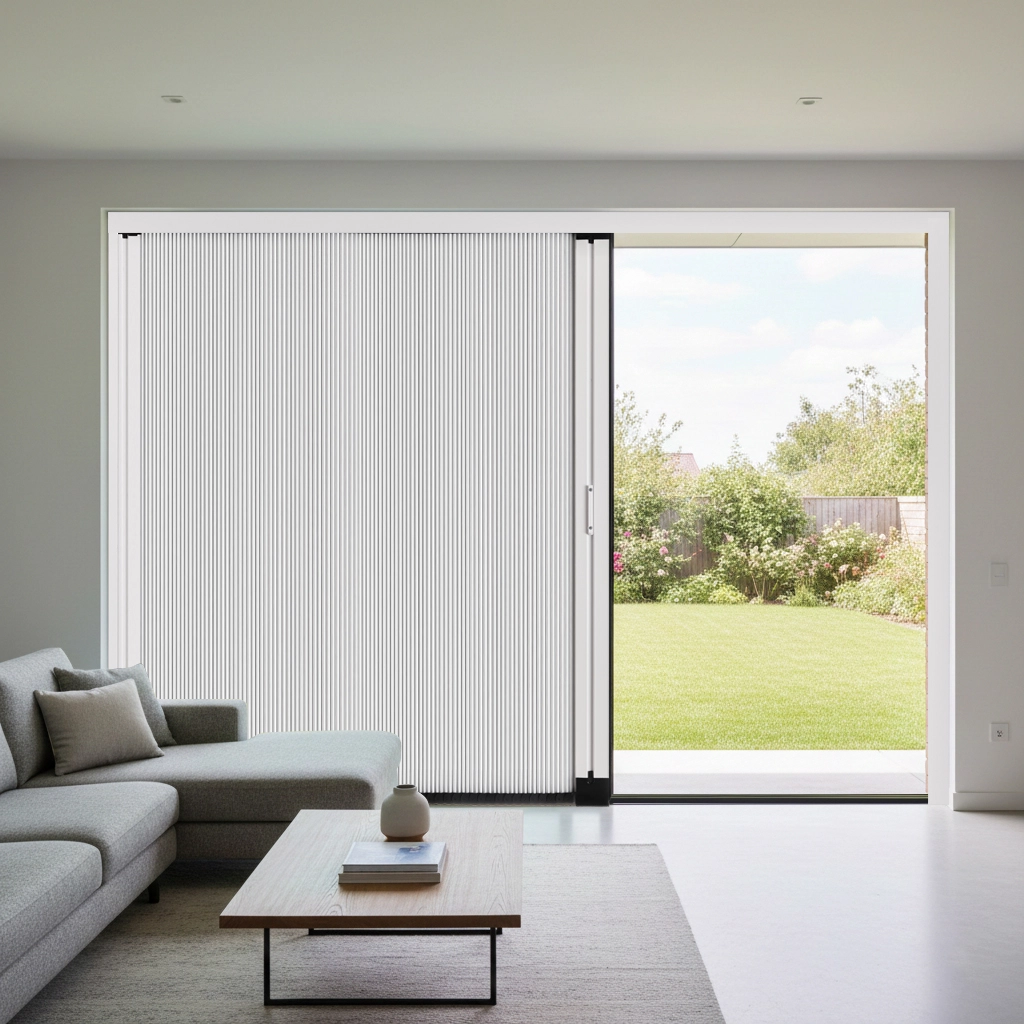
- Sliding Glass Doors and Wide Windows: For large spans like patio doors, all three can be used with the right hardware. Cellular shades can come in wide sizes or split on multiple tracks. Some companies offer vertical cellular blinds specifically for sliding doors. Zebra shades can be made wide, or installed side-by-side panels. Roman shades can cover sliding doors but will stack at the top; if the door needs to slide, consider vertical Roman panels (less common). Often for sliding doors, vertical blinds or panel track shades are used, but vertical strips of fabric (including “vertical” cellular or Roman panels) can be a solution. All three must be mounted on a sturdy headrail for large widths.
- Bay and Corner Windows: All three can be installed on bay windows. The windows might require separate shades per section or a specially bent headrail (more common for roller/zebra). Cellular shades can fit inside each bay segment, and corner connectors can align top rails for zebra or cellular to meet neatly. Roman shades can hang straight in each bay section (often with side returns to block light at the edges). Complex shapes may increase cost, but none of these styles are inherently incompatible with bay windows.
In summary, cellular shades have the broadest adaptability to unusual window shapes (arches, skylights, etc.) thanks to custom cutting and cordless operation. Roman shades can be tailored to many shapes as well, especially as stationary décor. Zebra shades work best on standard rectangular windows; custom arched zebrashades are uncommon and more expensive. For extremely large or irregular windows, it’s important to consult a window treatment expert to determine the best shade style and mounting method.
Best Use Cases and Room Suitability
Choosing the right shade often depends on the room’s needs. Here are typical applications for each style:
- Bedrooms: If darkness and insulation are top priorities, cellular shades are ideal (especially blackout cellulars). They keep rooms dark, quiet, and temperate. Roman shades can also work beautifully in bedrooms for a luxurious look; use a heavy or lined fabric for darkness or pair with blackout curtains. Zebra shades
- Living Rooms and Dining Rooms: These spaces benefit from style and flexible light control. Zebra shadesRoman shadesCellular shades
- Home Offices: Adjustable light control is key. Zebra shadesCellular shadesRoman shades
- Nurseries and Kids’ Rooms: Again, cellular shadesRoman shades
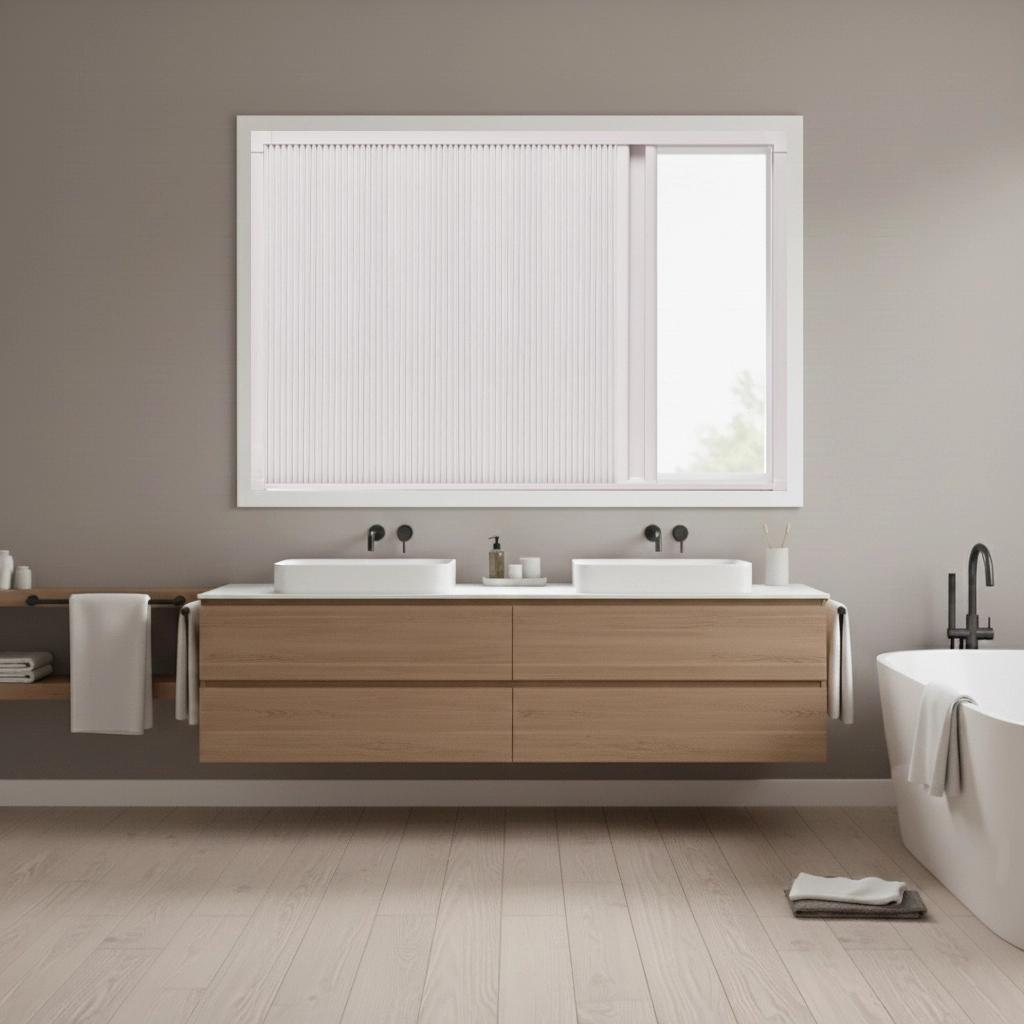
- Kitchens and Bathrooms: These areas need moisture tolerance and easy cleaning. Sharp grease or water can damage fabrics. Cellular shadesRoman shadesZebra shades
- Nursery: (already mentioned) - children and insulation.
- Home Theater or Media Room: Cellular blackout shades are often used for complete darkness and acoustical dampening. Roman blackout can also work. Zebra is rarely used here since it cannot provide total blackout.
Ultimately, cellular shades are best in rooms where insulation and blackout are desired (bedrooms, nurseries, media rooms). Zebra shades shine in living spaces and offices where you want both style and variable daylight. Roman shades suit formal living areas, dining rooms, and bedrooms when you want a rich, fabric-intensive look. Remember that you can mix styles room-by-room; for instance, many design schemes use cellular shades in bedrooms and zebras in living rooms for a balanced approach.
Summary Comparison Table
| Feature | Cellular Shades | Zebra Shades | Roman Shades |
|---|---|---|---|
| Style/Aesthetic | Minimalist, geometric honeycomb look; sleek and uniform | Modern, with alternating sheer/solid horizontal stripes | Classic, fabric folds; rich textures and patterns |
| Light Control | Varies from sheer to blackout; can fully block light (especially with side tracks) | Adjustable; align opaque bands to dim, align sheer bands to filter; not 100% blackout | Depends on fabric; can be filtered or fully lined for blackout |
| Energy & Insulation | Highest insulation (air-trapping cells); best at reducing heat/cold transfer | Moderate; layered fabric gives slight insulating effect but not as much as cellular | Good if heavy or lined; not as much as cellular but better than zebra |
| Privacy | Excellent opaque privacy; opaque fabrics hide interior; light-filtering types show only silhouettes | Good adjustable privacy; aligns solid bands to block view, but sheer bands may reveal silhouettes at night | Strong privacy; solid fabric covers window fully (unless using light-filtering fabric) |
| Mechanisms (Cord/Cordless/Motor) | Commonly cordless (safe), also available motorized and top-down models; smooth spring or remote lifts | Usually cordless or spring-loaded (some chain lifts); motorized common; operates like roller shade | Often cord or wand (but cordless models exist); motorized options available; heavier weight handled by spring/motor |
| Price Range | Mid-range; cost rises for double-cell, blackout, or motorized options | Mid-range; basic shades affordable, premium fabrics or smart features cost more | Wide range; basic stock fabrics inexpensive, custom designer fabrics can be costly |
| Installation | Fairly easy; standard brackets for inside/outside mount; lightweight | Easy; installs like roller shade; ensure level for pattern alignment | Moderate; mount headrail securely (heavier fabric); ensure even folds |
| Cleaning/Maintenance | Regular dusting/vacuuming; spot-clean with damp cloth; avoid heavy moisture | Dust or wipe; fabrics usually polyester - easy spot cleaning | Vacuum brush; spot clean or dry-clean for delicate fabrics; avoid stains and moisture |
| Durability | High (5–10 yrs); synthetic materials hold shape; can sag if cheap quality | High (5–10 yrs); sturdy polyester; fade and UV resistant | Variable (5–10 yrs); quality of fabric key; susceptible to wear/soiling |
| Safety | Cordless options standard; very child-friendly; side tracks for tensioned lift available | Cordless by design; child-safe; remote control optional for no cords | Corded (risk) unless cordless or motorized; cordless Roman designs exist; use cleats or tension devices |
| Customization | Custom sizes, many fabric colors; single/double cell; valances available | Custom sizes, stripe widths, colors; blackout or light-filtering fabrics; motorized or manual | Endless fabric choices (colors, patterns, textures); multiple styles (flat, hobbled); liners, valances |
| Special Shapes | Excellent fit for arches, angles, circles, skylights; many custom shapes available | Limited; best for rectangles; custom arches possible but uncommon | Can be made for arches and angled windows (sometimes leaving top stationary); less common for skylights |
| Ideal Rooms | Bedrooms, nurseries, home offices (due to insulation and blackout); anywhere needing energy savings | Living rooms, family rooms, offices (for adjustable light and modern style); dining rooms | Living rooms, dining rooms, bedrooms (for elegance); any room where fabric decor is desired |
Conclusion
In choosing between cellular, zebra, and Roman shades, consider your priorities. If insulation, energy efficiency, and maximum darkness are key, cellular shades are often the best pick. For a contemporary look with flexible light control, zebra shades shine. For a timeless, decorative fabric appeal, Roman shades deliver elegance and warmth. Each style has options for cords, colors, and custom shapes. By weighing factors like design preference, light needs, and budget, you can select the shade type that best enhances your room’s function and style. All three styles are versatile enough to fit many decors; the “right” choice depends on which features you value most.