Cellular shades (also known as honeycomb blinds or cellular blinds) are a modern type of window covering built from pleated, honeycomb-shaped fabric cells. Imagine folding a piece of paper into accordion-like pleats - cellular shades do something similar, but with fabric that's bonded together. When you pull the blind down, the fabric unfolds into neat little hexagonal “cells” (like a beehive). These cells trap air, which helps insulate the window. Cellular shades are popular because they combine a clean, contemporary look with practical benefits like energy savings and privacy. You'll find them in many colors and opacity levels, from sheer (letting light through softly) to full blackout (keeping light out completely).
Table of Contents
- 1. How Do Cellular Shades Work?
- 2. Key Features of Cellular Shades
- 3. Benefits of Cellular Shades
- 4. Types and Variations
- 5. Where to Use Cellular Shades
- 6. Cellular Shades vs. Other Window Coverings
- 7. Pros and Cons of Cellular Shades
- 8. How to Choose the Right Cellular Shades
- 9. Installation and Care
- 10. Conclusion
How Do Cellular Shades Work?
The secret of cellular shades is in their honeycomb-shaped cells. Each shade consists of one or more layers of fabric that form hollow pockets (cells) of air. These air pockets act like tiny insulators. In winter, they slow down heat escaping from your warm room to the cold window, and in summer they slow heat from the sun coming inside. In fact, cellular shades are usually rated with the highest R-values (insulation ratings) of any window treatment. For example, some cellular shades have R-values around 3.5-3.7, which is higher than most other shades or curtains.
Energy studies show how well they work: tightly fitted cellular shades can cut up to 40% of heat loss through windows in winter (which translates to roughly 10-20% savings on heating bills). They also block a lot of solar heat in summer - in laboratory tests cellular shades reduced solar heat gain by as much as 60% (leaving only about 20% of the sun's heat getting through). In short, a cellular shade acts like a mini thermal barrier against the cold or hot outdoors.
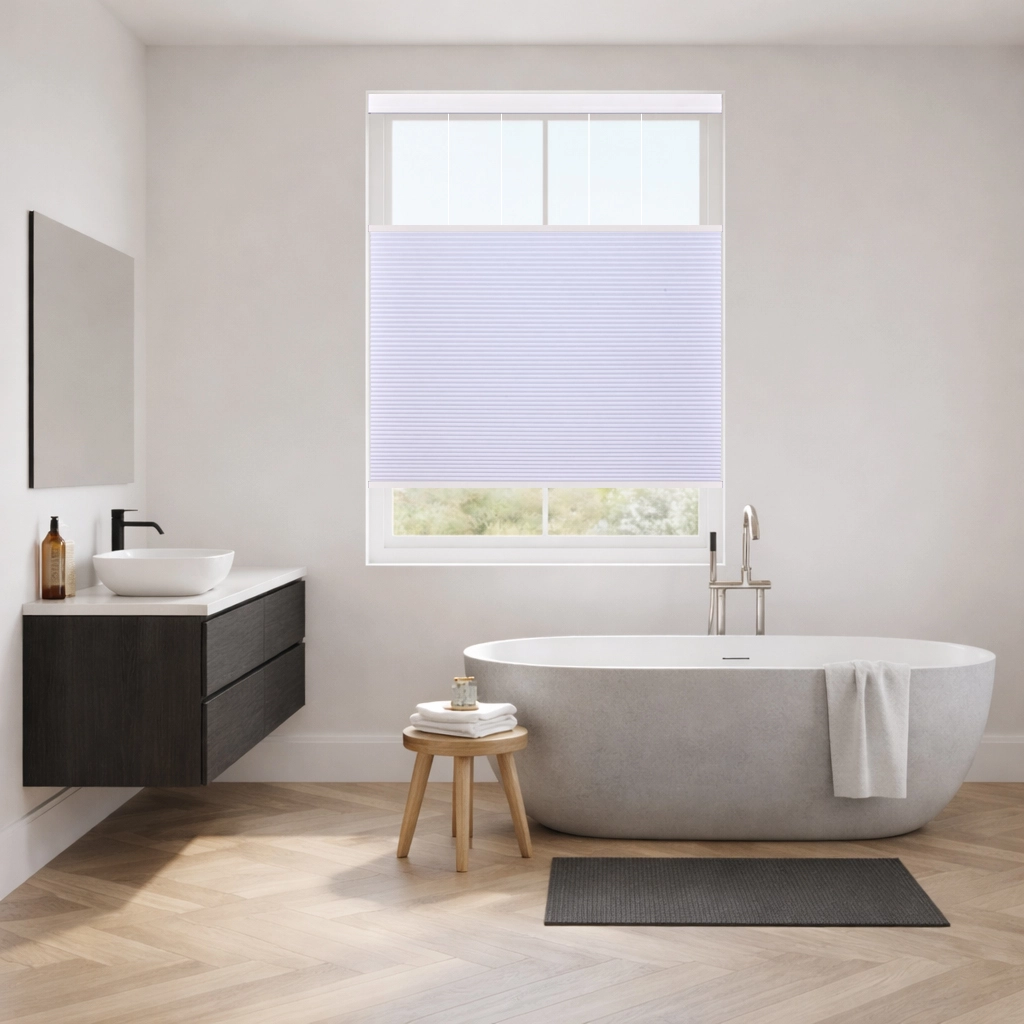
When you adjust a cellular shade, it simply folds or unfolds its cells in one smooth motion (you raise and lower the shade, similar to a roller blind). Some models offer top-down/bottom-up operation: you can lower the shade from the top (letting light in at the top while keeping the bottom covered), raise it from the bottom, or do both. This gives extra flexibility to control light and privacy. (Top-down/bottom-up is only available with honeycomb/cellular shades among common blinds.)
Because of this design, cellular shades usually have a slim profile when stacked: when fully raised, they fold up neatly at the top of the window and don't stick out very far. This low profile is great for a clean, uncluttered look on modern windows.
Key Features of Cellular Shades
Cellular shades come in many options. Here are some of the main features you'll encounter:
- Cell Structure (Single vs. Double vs. Triple Layers): You can get cellular shades with one layer of cells (single-cell), two layers (double-cell), or even three layers (sometimes called “duette” or “triplet”). More layers mean more trapped air and higher insulation. Double-cell shades are often recommended for small or cold rooms because they insulate the most. Single-cell shades are lighter and often fine for larger windows. (Some brands also offer a “cell-within-a-cell” design, essentially a triple layer, for maximum insulation.)
- Cell Size: Cells come in different heights, commonly around 3/8″, 9/16″, 3/4″, or 2″ (measured when the blind is open). Smaller cells generally trap air more efficiently, so very thin cells can provide better insulation. Larger cells give a bolder pleat appearance and can be lighter in weight.
- Light Filtering Options: Cellular shades come in fabrics that range from sheer to opaque. You can get light-filtering fabrics that softly diffuse daylight, room-darkening fabrics that block most light, or full blackout fabrics that stop almost all light (a tiny halo may still leak around the edges). In fact, there are dual-fabric options (often called day/night or light-filtering/blackout) where one part of the shade lets light through and another part blocks it, giving you both soft daylight and true darkness in the same unit
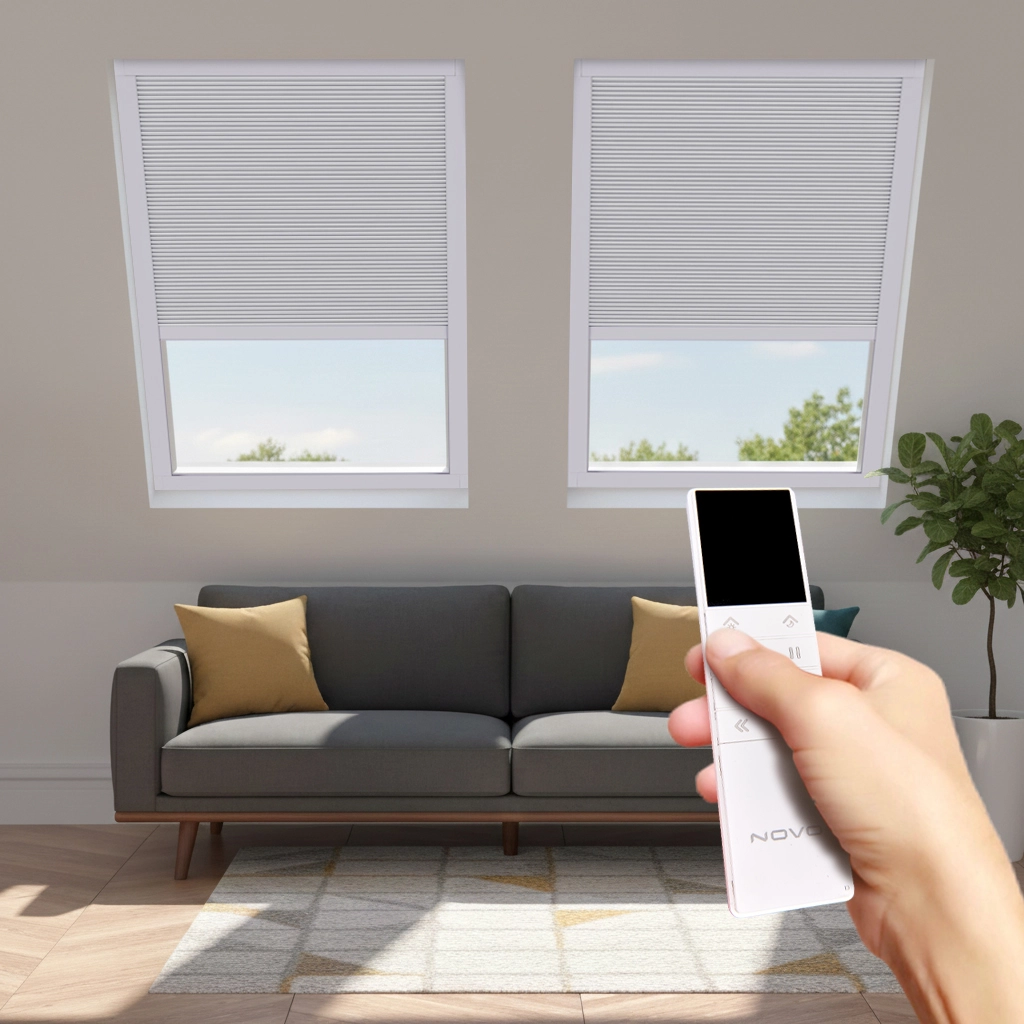
- Lift Options: Most cellular shades lift straight up and down. You can choose corded or cordless operation. Cordless is especially popular now: it means no dangling pull cords, which looks cleaner and is safer for kids and pets. (Cordless shades often use an internal spring or magnetic mechanism.) Motorized cellular shades are also available, letting you raise or lower them with a remote control, a phone app, or even a voice assistant. Other special lift styles include top-down/bottom-up (as mentioned earlier) which lets you control light from both ends, and continuous loop (a looped cord that makes big or wide windows easier to raise).
- Headrails and Bottom Rails: The top rail (where the shade attaches) is usually made of sturdy metal (aluminum or steel) to support the weight and keep the shade straight. The bottom rail often has some weight (like an aluminum bar) to keep the shade hanging taut and even.
- Cord Safety: If you choose a corded design, many cellular shades come with child-safety features (cord tensioners, breakaway tassels, etc.) to prevent accidents. Even safer, a cordless lift eliminates exposed cords entirely. This is why cordless cellular shades are recommended in homes with young children or pets.
- Customization: Honeycomb blinds are highly customizable. You'll see them in dozens of colors and patterns - neutral tones for minimal style or bright hues for a bold accent. There are also options for fabrics (like cotton blends, polyester, or even paper-based styles on older models) and textures. Some brands offer printed patterns or embossed fabrics too. Most shades can be cut to fit nearly any window size (including very tall or wide windows). You can even add decorative trims, valances, or cornices at the top for a finished look.
In summary, cellular shades are defined by their cellular structure of pleated pockets. The exact style (how many cells, how they open, what fabric) can vary a lot, but all honeycomb shades share the same core features: air-trapping cells, vertical lift (raise/lower), and usually a slim stack profile.
Benefits of Cellular Shades
Why choose cellular shades? Here are the main advantages that make them stand out:
- Energy Savings (Insulation): This is the big one. The honeycomb design traps air and acts like a blanket over your window. As noted above, cellular shades have very high R-values. They can cut winter heat loss by as much as 30-40% and reduce summer heat gain by up to 60% when installed properly. In practical terms, that means lower heating and cooling bills over time. Because of their energy efficiency, honeycomb shades are often recommended for energy-conscious or eco-friendly homes.
- Better Comfort: By reducing drafts and hot spots near windows, honeycomb blinds make rooms feel more comfortable year-round. In winter you can feel warmer near the window; in summer you stay cooler. They also filter light in a gentle way (especially light-filtering fabrics), which prevents harsh glare. People often say rooms with cellular shades have a nice “even” light on sunny days, and they avoid both cold chills from the glass and overheated spots from direct sun.
- Privacy: Honeycomb shades (especially opaque or blackout versions) provide excellent privacy. Even in sheer fabrics, the structure is denser than many blinds, so passersby can't easily see into the room. The top-down feature adds privacy too: you can let light in from the top while keeping the bottom covered. If privacy at night is your goal, blackout cellular shades will block view from outside very well.
- Noise Reduction: The air pockets in the cells also help dampen sound. They don't soundproof the room completely, but they reduce echo and soft noises coming from outside. This can be great if you live on a busy street or if you want quieter bedrooms and living spaces.
- Child/Pet Safety: As mentioned, cordless lift options make these blinds much safer around kids and pets. Cords can be a hazard, but cordless honeycomb blinds remove that worry.
- Style: Honeycomb shades have a clean, contemporary look. They come in many colors and finishes to match your decor - from crisp white to bold patterns. Because of their sleek profile, they suit modern and minimalist interiors very well. They can also be paired with curtains or valances for a more classic look. Some people especially like the soft geometric lines of the cells when the blind is down, and the neat stack when it's up.
- Light Control: You can find honeycomb shades in a full range of light-control options. Sheer fabrics will softly diffuse daylight, giving a warm glow; semi-opaque fabrics block more light for moderate shading; and blackout fabrics can darken a room almost completely. This versatility means you can use them anywhere from living rooms (where you may want daylight and views) to media rooms and bedrooms (where you might need full blackout).
- Ease of Cleaning: While the pleated structure might sound tricky to clean, honeycomb blinds are actually pretty low-maintenance. A gentle dusting or occasional vacuum with a brush attachment will keep them looking neat . Because the fabric is usually fairly sturdy, small spots can be dabbed with a damp cloth and mild soap. (One note: because dirt can collect in the folds, it's best to clean them regularly.) Overall, you won't need special cleaners or covers like you might with delicate drapes.
- Custom Fit for Shapes: Honeycomb shades can be made to fit unusual windows. For example, there are honeycomb blinds designed for skylights, arches, triangles, circles, and other special shapes. The fabric can be cut and sometimes installed on side tracks so that even a sloped or round window can have a cellular shade. (Regular roller or Venetian blinds can't easily fit some of those shapes.) So if your home has odd window shapes, cellular shades might be one of the few options that work well and still insulate.
In short, the benefits revolve around energy efficiency, comfort, and versatility. By trapping air and providing a snug barrier, honeycomb blinds make rooms cozier, quieter, and often more private, all while looking neat and modern.
Types and Variations
Cellular shades come in several types and configurations. Here are the main variations you might choose from:
- Single-Cell Shades: One layer of cells (one honeycomb thick). They are the simplest style and usually the most lightweight and budget-friendly. Single-cell shades still provide good insulation and look very sleek. They're often recommended for taller or larger windows, since the shade isn't too heavy. However, for maximum insulation, some may prefer double- or triple-cells.
- Double-Cell Shades: Two layers of honeycomb cells stacked together. These trap more air, so they insulate better. Double-cell shades are the most common “standard” choice for people who want extra thermal performance. They're especially useful on small-to-medium windows or in rooms where you really want to save energy or reduce noise. You might see them called “dual” or “double honeycomb” shades.
- Triple-Cell (Cell-in-Cell) Shades: Three layers of cells - basically a honeycomb inside a honeycomb inside a honeycomb. This design maximizes insulation, making them the best performer in cold climates or for very large temperature swings. They can block even more heat transfer and can help make nearly any room cozy. (They are heavier and more expensive, but in drafty windows they can be worth it.)
- Light Control:
- Sheer/Filt ering - lets sunlight in while diffusing it, giving a soft glow. It's like a privacy screen that still brightens the room.
- Semi-Opaque/Room Darkening - significantly blocks light. Rooms with these will be fairly dim even in sunlight (great for daytime TV or that warm cozy feeling).
- Blackout - almost no light passes through (except maybe a faint edge glow around the shade if the fit isn't sealed). Excellent for bedrooms, home theaters, or nurseries where you need darkness. Some honeycomb shades fabric manufacturers even offer blackout liners on the inside of the cells for complete darkness.
- Dual Day/Night Shades: A clever hybrid design with one light-filtering band and one blackout band. This gives you the best of both worlds: you can have a gentle daylight look when desired, and slide the blackout portion down for darkness. It looks like one shade with alternating fabrics.
- Lift Options (further detail):
- Cordless Lift: Use your hand to push up or pull down. No visible cords. Super clean look and very safe.
- Continuous Cord Loop: A looped cord on one side that always stays in place (you pull one side of the loop to raise, the other to lower). Easier on large shades.
- Top-Down/Bottom-Up: Besides raising from the bottom, you can also lower from the top. For example, you could have the bottom half of the window covered for privacy, but slide the shade down at the top to let sunlight in. This mode usually comes with either corded or cordless control.
- Motorized: Operate with a switch, remote, app, or voice assistant. Great for hard-to-reach windows (like high ceilings, skylights, or huge walls), and adds a modern convenience.
- Design Styles:
- Flat vs. Arched Rails: Most cellular shades mount on a straight rail, but you can also get custom arches (for arch-top windows) or trapezoids. Some shades for slanted ceilings have unique mounting hardware.
- Valances and Cornices: You can add a fabric valance or rigid cornice box at the top to hide the headrail for a polished look. This is optional - many people leave them bare for a minimalist style.
- Color and Pattern: There are solid colors (white, beige, grey, etc.) and textured or printed patterns. You can match any decor. Light neutrals give a soft diffused look; dark fabrics can make a dramatic statement or increase blackout.
- Edge Finish: The bottom of the cells can have a decorative hem (like a brushed metal bar, decorative wood rod, or fabric-wrapped battens). Some shades have an ultra-slim rail for modern flair; others have a more traditional trim.
- Material: Most honeycomb shades are made of lightweight polyester fabrics (often non-woven) that are somewhat paper-like or fabric-like in textur. Polyester is durable and easy to dye. Some specialty lines use cotton blends or even specialty papers for a different feel. Thicker or double-knit fabrics will block more light and insulate better, while thinner weaves let some light through. There are also moisture- and mildew-resistant coatings available (useful for bathrooms or basements).
In summary, whether you want a light-filtering single-cell in the living room, a blackout double-cell in the bedroom, or a motorized triple-cell in a home theater, there's a honeycomb blind suited for it. You just pick the cell configuration, fabric, and lift system that match your needs.
Where to Use Cellular Shades
Cellular blinds are surprisingly versatile - you can install them in almost any room or window type. Here are some common use cases and considerations:
- Living Rooms and Family Rooms: Great in main living areas. They let in gentle light (if using light-filtering fabrics) or can darken the room for movie watching. In living rooms, people often like the clean lines of cellular shades for a modern look. The energy savings can help offset the cooling load if it's a sun-exposed room.
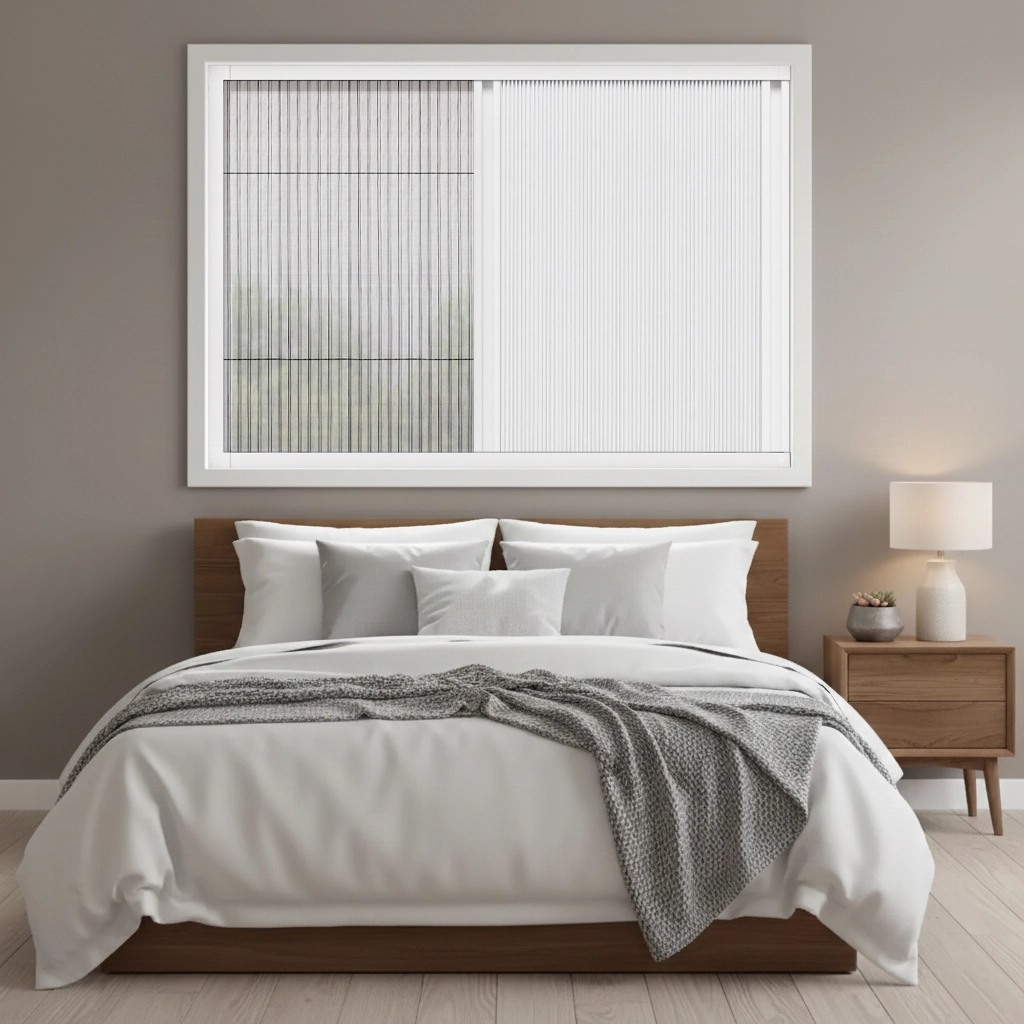
- Bedrooms: A top use-case. For bedrooms, you might pick a blackout honeycomb shade to keep rooms dark for sleeping, or a day/night combo so you can choose. The insulation also keeps bedrooms cozy in winter. Honeycomb blinds seal well around a window, so at night you get good privacy. Many buyers use cordless blackout cellular shades in kids' rooms for both safety and darkness.
- Nurseries and Kids' Rooms: Because cordless options exist, cellular shades are a smart, child-friendly choice. They are also gentle in light so baby's room can have a soft glow by day. Blackout versions help babies sleep. Just make sure to pick the sturdy ones - some parents use the heaviest dustproof fabrics to keep out noise and light.
- Offices and Studies: Their sleek look is popular in offices. You can filter daylight for a comfortable work environment without glare. They also block outside noise, helping concentration. If using a top-down style, you can preserve a view (say to trees or a yard) but block the harsh overhead sun.
- Kitchens and Bathrooms: Usually, owners are cautious about honeycomb shades in very humid rooms. The fabric can absorb moisture over time, so a moist bathroom or steamy kitchen isn't ideal. However, you can use them if the window isn't directly over a sink or shower. In those areas, roller shades or faux-wood blinds might be safer long-term. If you do choose a cellular shade in a humid spot, look for an open-cell design and moisture-resistant fabric.
- Skylights and High Windows: Honeycomb shades are one of the few blinds made for skylights. Many brands have motorized cellular shades specially for sloped or ceiling windows. Because you can program them, they can automatically open in the morning and close at night, regulating attic temperature. They work great for keeping a loft or sunroom comfortable.
- Doors and Large Sliders: Vertical honeycomb (panel-track) shades exist for sliding glass doors or floor-to-ceiling windows. Instead of lifting up, they slide horizontally. These provide the same insulation and styles but are sized for doors. Vertical cells can also be motorized or cordless for easy gliding.
- Special Shapes (Arches, Circles, Angles): If you have an odd-shaped window (like an arched window above a door, or a triangular transom), cellular shades can often be custom cut to that shape. They may run on side channels or be custom framed. This is a big advantage over standard blinds. For example, a circular window can be fitted with concentric cellular shades, which no roller shade or curtain could do as neatly.
- Wall-to-Wall or Room Darkening Systems: In home theaters or media rooms, you might see honeycomb shades used wall-to-wall, even with tracks. Their high insulation and blackout ability makes a darker, quieter room. Some people combine them with blackout curtains for ultimate light blocking (the curtain over the shade).
- Sunrooms and Conservatories: In spaces with lots of sun exposure, honeycomb blinds on the angled glass panels can dramatically reduce overheating. They keep the room warmer in winter (so you can enjoy it year-round) and cooler in summer.
Overall, honeycomb blinds fit well in living spaces where energy savings and good looks matter, bedrooms where darkness and quiet are desired, and any room where a clean modern style is preferred. The only caution is high-moisture zones; for those, ensure proper fabric choice or consider alternative blinds.
Cellular Shades vs. Other Window Coverings
It's helpful to see how cellular shades compare to other popular window treatments. Here's a breakdown with some common types:
Cellular Shades vs. Roller Shades: Both roll up, but roller shades are flat fabric without pockets. Roller blinds are very simple and usually cheaper. They come in many fabrics (sheer to blackout) too. However, roller shades generally insulate much less because they have no air pockets. A blackout roller shade will darken a room, but in winter it won't keep the cold out as well as a cellular shade. Also, roller shades stack into a tube when up (which can take up more space at the top) whereas honeycombs stack neatly as an accordion. Roller shades might leak light at the sides if not sealed, whereas some honeycomb blinds have side-channel or valance options for tighter fit. On style, rollers have a cleaner plain look, but honeycombs have that distinctive pleated texture. In summary: rollers = minimal cost and style, moderate light control; honeycombs = higher cost but much better insulation and a textured style.
Cellular Shades vs. Roman Shades: Roman shades are fabric shades that fold into soft horizontal pleats when raised. They look very elegant and can be very insulating if made with thick, lined fabrics. However, Roman shades stack in thicker folds, so they steal more light at the top and use more fabric (and can be heavier). They are often bulkier than honeycomb shades. In terms of insulation, Roman shades do add thermal value, but typically not as much as the multiple air pockets of a cellular shade - unless the Roman shade has a special insulated liner. Also, honeycomb blinds are usually easier to raise/lower (just one movement up or down), while Roman shades often have rings or loops that the cord threads through, making them a bit slower to operate. Romans can be stylish with fabrics, but honeycomb blinds are more modern and usually thinner when up. Cost-wise, high-end Roman shades can be comparable or more expensive, but basic honeycomb shades are competitive with mid-range Romans.
Cellular Shades vs. Pleated Shades: Pleated shades look similar to honeycomb when down, because they also fold in an accordion. However, pleated shades are just one layer of fabric folded, not a double cell. That means pleated shades do some insulation, but much less than cellular shades with pockets. Pleated shades have crisp diamond-like folds (no pockets), and you'll often see stitching across them. Honeycomb blinds tend to be thicker and trap more air. On light control, pleated shades and honeycombs are both available in light-filtering or blackout versions. Because pleated shades have stitching lines, a tiny bit of light can leak through those stitch holes; honeycombs don't have visible stitch holes and can block a tad more light. Price-wise, pleated shades are generally cheaper than honeycombs. So if budget is a big concern and insulation isn't needed, pleated shades are an option. But for energy efficiency and insulation, honeycomb wins easily.
Cellular Shades vs. Venetian (Horizontal Blinds): Venetian blinds are the classic slatted blinds (made of wood, faux wood, or aluminum). They give you excellent control over light direction (you can tilt the slats to let in angled light or block it). However, when closed, Venetian blinds still have small gaps between slats, so they don't block as much light and don't insulate much. They also gather dust on each slat and require regular wiping of every slat. Honeycomb blinds, by contrast, block virtually all light if blackout, and when closed the window is fully covered. For privacy, cellular shades leave no horizontal gaps. In terms of insulation, honeycomb is far better than any slatted blind. If your goal is a uniform look and maximum darkening, honeycomb is better. But if you want tilt light and a more traditional look, Venetian might suit. Price-wise, wood venetians (shutters and high-quality blinds) can be pricey, whereas aluminum venetians and simple cellular shades are similar in the mid-range.
Cellular Shades vs. Vertical Blinds: Vertical blinds are like Venetian blinds turned on their side, often used for sliding doors or very wide windows. They have similar light-control advantages (slats can swivel and slide away) and similar issues (gaps between slats when closed, dust). Honeycomb vertical panels exist, and those would have the same pros/cons as horizontal ones above (except vertical fabric can insulate as well as horizontal cells).
Cellular Shades vs. Shutters: Plantation shutters (solid panels with louvers) are another upgrade option. Shutters are very durable and when closed, they block light and provide insulation (the thick wood or composite is a barrier). However, shutters are usually custom wood or faux-wood and are much more expensive than any blind. They also take up significant space and can only open as a whole panel, not raise/lower gradually. Honeycomb blinds are less expensive, fully reversible (just pull up/down), and can cover the whole window with one unit. Shutters have a traditional, crafted look; honeycombs are sleek and modern. In terms of insulation and darkness, a closed interior shutter vs. a blackout cellular shade might be similar. But cellular shades let you go from fully open to fully closed (and anywhere in between) more easily. Shutters also cannot accommodate odd shapes unless custom-made per pane, while cellular shades can.
Cellular Shades vs. Curtains/Drapes: Curtains, especially heavy blackout curtains or thermal drapes, do insulate a lot and block light. However, thick curtains are bulky and always cover the top of the window even when open (you get none of the window opening then). They also tend to trap dust and need laundering. Honeycomb shades are compact and only cover the window itself; they also usually fit tighter around edges than a hanging curtain (which can let some light leak at the sides unless pleated or layered). If you want a decorative touch, you might use both (shade underneath, drapes over it). Curtains add softness and style; cellular shades add function and neatness.
In summary: cellular sades outperform many other shades and blinds in insulation and light blocking, but they are not as adjustable as slatted blinds for angling light. Compared to simple roller or pleated shades, cellular shades cost a bit more but provide better energy savings. Compared to shutters, honeycombs cost less and are easier to operate, though shutters last longer. Your choice depends on which features you prioritize (cost, style, insulation, light control).
Pros and Cons of Cellular Shades
To make it clear, here's a quick list of advantages and disadvantages:
- Pros:
- Excellent Insulation: Traps air for energy savings.
- Energy Efficient: Can cut heating and cooling costs (studies show ~10-20% savings on energy bills).
- Light Control: Available from sheer to blackout, with good darkening ability and even diffusion of light.
- Privacy: Offers solid coverage; top-down feature adds privacy flexibility.
- Child/Pet Friendly: Cordless options remove dangling cords.
- Noise Reduction: Cells help dampen outside noise a bit.
- Stylish Appearance: Clean, modern look; many colors and textures.
- Customizable: Fits almost any window shape, and comes in multiple colors and fabric weights.
- Easy Maintenance: Simple dusting/vacuuming.
- Versatile Lift Options: Can be motorized or offer top-down operation.
- Cons:
- Higher Cost: Generally more expensive than basic roller or pleated shades.
- Dust Build-Up: Dust can gather in the folds, requiring occasional cleaning.
- Moisture Concerns: Fabric can absorb humidity and odors, so not ideal for bathrooms/kitchens.
- Limited Tilt Adjustment: You cannot tilt the cells like you would slats; you only raise or lower the shade. (So you can't angle light in the same way as Venetian blinds.)
- Installation Precision: For maximum insulation, they should be mounted tight to the frame or wall; gaps at the edges can reduce effectiveness.
- Weight on Large Shades: Very wide or tall shades (especially double/triple cells) can be heavy and more expensive to motorize or lift.
- Style Fit: The modern look might not suit very traditional decor as well as fabric drapes or wood shutters.
Most customers find the pros outweigh the cons. The higher upfront cost usually pays for itself in energy savings over time, and many love the peace-and-quiet feel and neat appearance. The key “con” to note is cleaning: just plan to dust them regularly (a quick weekly pass with a vacuum brush or duster usually does the trick).
How to Choose the Right Cellular Shades
If you're considering cellular blinds, here are some tips to help you pick the best ones for your home:
1. Measure Your Windows Carefully. Decide whether the blind will mount inside or outside the window frame. Inside-mount shades have a cleaner look but need precise measurements, especially depth. Outside-mount shades cover the frame, are more forgiving on measurements, and often block a bit more light around edges. Always measure width and height in at least three spots (to account for any unevenness) and use the smallest measurement.
2. Consider Your Budget vs. Quality. Honeycomb shades come in a range of prices. Investing in higher quality (thicker fabric, metal headrails, smooth mechanisms) can give you a product that lasts longer, won't sag, and has better insulation. Cheaper shades may save money upfront but could have issues like misaligned cells or worn mechanisms. Remember that better shades can reduce energy bills more effectively, so the extra cost may pay off.
3. Decide on Cell Structure and Insulation Needs. Think about your climate and how important insulation is. If you live in a very cold or hot area, or if the windows are large and exposed, double-cell or even triple-cell shades are worth it. If insulation isn't a huge concern and you have high ceilings or wide spans, a single-cell (lighter) shade may suffice. For most bedrooms and living areas, a double-cell is a safe bet for year-round comfort.
4. Choose Light Filtering vs. Blackout. What do you need from each room? For living areas, sheer or light-filtering shades let you enjoy daylight. For bedrooms or home theaters, blackout is ideal. If a room serves dual purposes, consider dual-day/night shades or get multiple layers (some companies let you add a separate blackout liner to a cellular shade). Also think about heat from sunlight: darker colors and blackout fabrics absorb more heat, which is good in winter but could warm a room in summer if south-facing.
5. Safety (Corded vs. Cordless): If you have kids or pets, cordless or motorized is the way to go. It's worth paying a bit more for cordless safety. (Even without kids, cordless just looks cleaner.) If you do choose a corded design, make sure it has proper tensioning and consider securing cords out of reach.
6. Select the Fabric and Color: Light colors reflect heat, dark colors absorb it. If your main goal is to cool a hot room, pick lighter shades. For a cozy feel or more privacy, darker neutrals or patterns work well. Also think about the room's decor - do you want the blinds to blend in or stand out? You can request fabric swatches (many companies will send free samples) and hold them up to your windows at different times of day. That helps you see the color and light level before buying.
7. Check Operating Options: Are you interested in motorization or smart home integration? If so, choose a model that can be motorized (most major brands allow this). Also decide if top-down/bottom-up is a must-have feature. It costs extra but adds flexibility. If you have tall windows (like 8-10 feet), consider the continuous loop or motorized lifts for ease. For normal windows, a simple cordless up/down is fine.
8. Quality of Construction: As we saw from guide articles, the build quality matters. Look for reviews or descriptions that mention: even folding of cells, strong adhesives (no bubbles), straight cuts (no fraying), and a solid headrail. A well-made shade won't have cells that pop apart or fabric that tears easily. Double-check that when fully lowered, the shade looks neat with uniform hexagons - that's a sign of precise manufacture.
9. Think About the Room's Needs:
- Insulation: If the room tends to be cold or on a noisy street, prioritize double/triple cells.
- Light: If you need total darkness (for a home cinema), make sure the shade is blackout and consider adding side channels.
- Privacy: Bedrooms/bathrooms should lean toward opaque fabrics.
- Aesthetics: In a formal living room, perhaps a honeycomb shade under a valance looks nice; in a casual space, a bare roller might be okay.
10. Read Reviews and Ask Questions: Before finalizing, check what other buyers say about the exact shade you're eyeing. Real customers often mention things like “very easy to raise/lower” or “I wish it had a heavier bottom bar.” Look for comments on quality and installation. If anything is unclear, contact the seller or manufacturer. Knowledgeable brands should answer questions about, say, how thick the fabric is or whether it's flame-retardant, etc.
By balancing your needs (cost, insulation, style, safety), you can choose a honeycomb blind that's just right. Often, retailers let you customize so much that you'll end up with a shade made exactly for your situation.

Installation and Care
Installation: Many cellular shades are DIY-friendly. Standard installations use brackets screwed into the window frame (or wall) that the shade clips into. Inside mounts require enough depth (usually 2-3″) to fit the shade; outside mounts need space above. Make sure you follow the included measuring and installation guide carefully. For very wide or odd-shaped shades, professional installation might be recommended. If you do it yourself, use a level to ensure the brackets are perfectly horizontal so the shade hangs straight.
Cleaning and Maintenance: As mentioned, dust honeycomb shades regularly. A feather duster or the soft brush attachment on a vacuum cleaner will do. If a stain appears (from a kid's finger, for example), you can spot-clean: gently dab with a barely damp sponge and mild detergent. Important: Don't scrub or rub hard - that can damage the cell fabric or spread the stain. Some manufacturers suggest testing any cleaning product on a hidden corner first. Avoid bleach or harsh chemicals. Also, handle the shades carefully: when pulling cords or pushing up cordless units, do so straight up to keep tension even. If you ever notice the shade hanging unevenly, it might need a small adjustment (sometimes you re-set the tension spring in a cordless shade by pulling it all the way and tugging).
Child Safety: If you have little ones, secure all cords out of reach (even if you plan to use cordless, there may be cords on the side for side-by-side shades). Many brands include a cord cleat or tensioner that mounts on the wall. Use it so cords don't form loops that a child could get trapped in.
In general, honeycomb blinds are durable: the fabric is usually tear-resistant and the metal parts won't rust under normal use. Over the years, just giving them a light dust now and then will keep them fresh.
Conclusion
Cellular shades may not be the most expensive or luxurious window treatment out there, but they are certainly the best value for money. They not only block light effectively but also help save energy, keeping your room warm in winter and cool in summer.
If you're unsure which type of cellular shade to choose, just reach out to us. We can recommend the perfect option based on your room style, window frame size, and preferred operating method.