Here are some common questions about cellular shades to help you choose the best option for your home.
Q1: What are tracks in a cellular shade system?
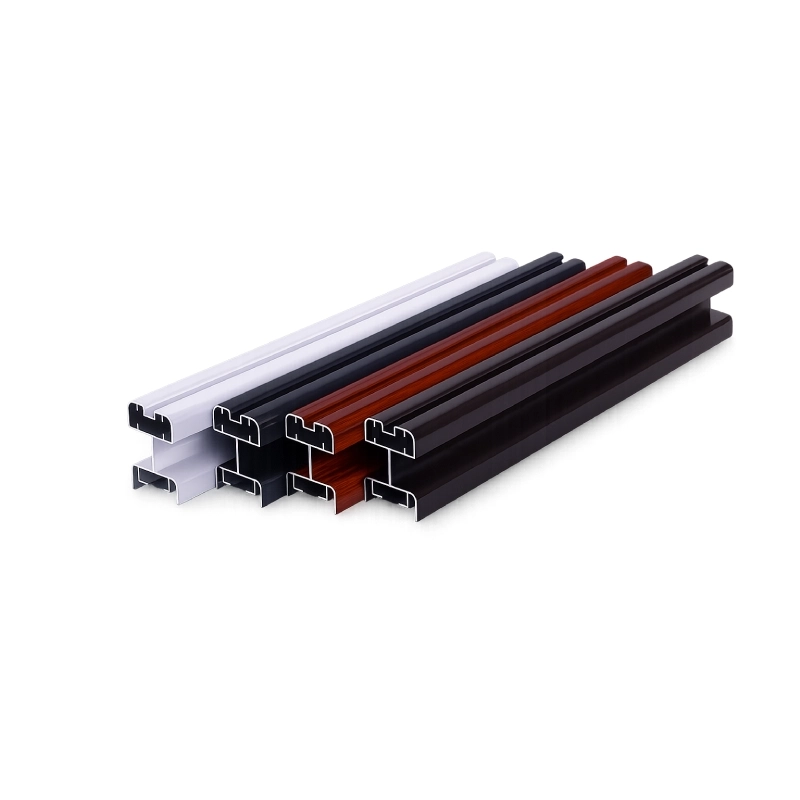
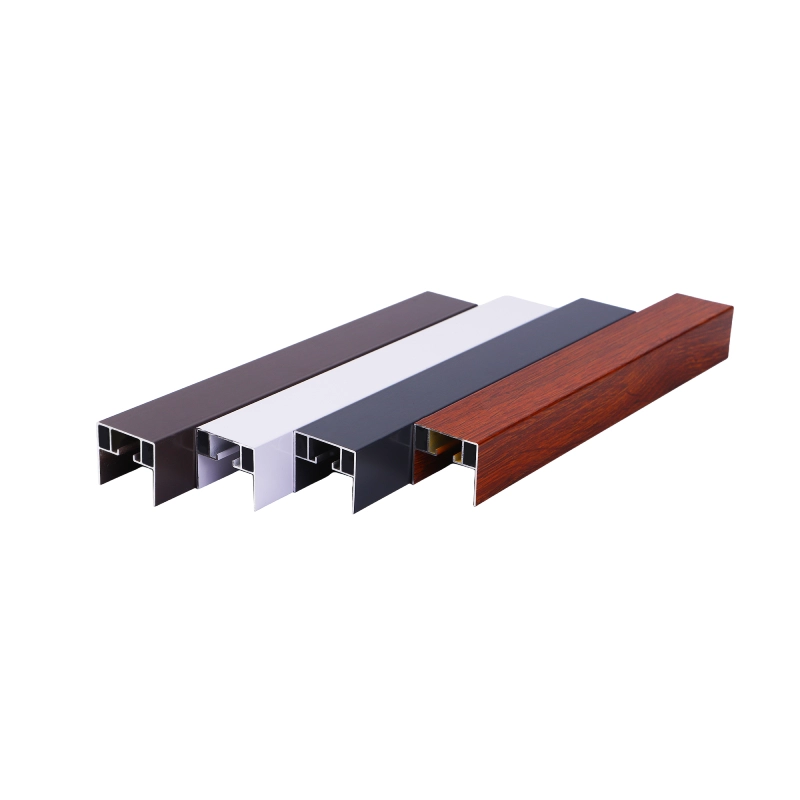
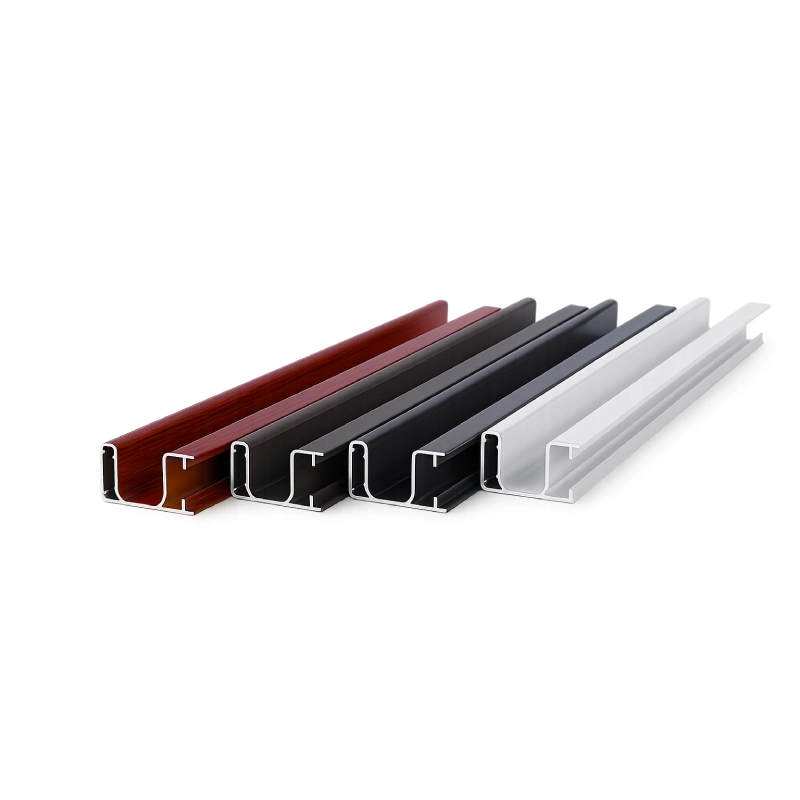
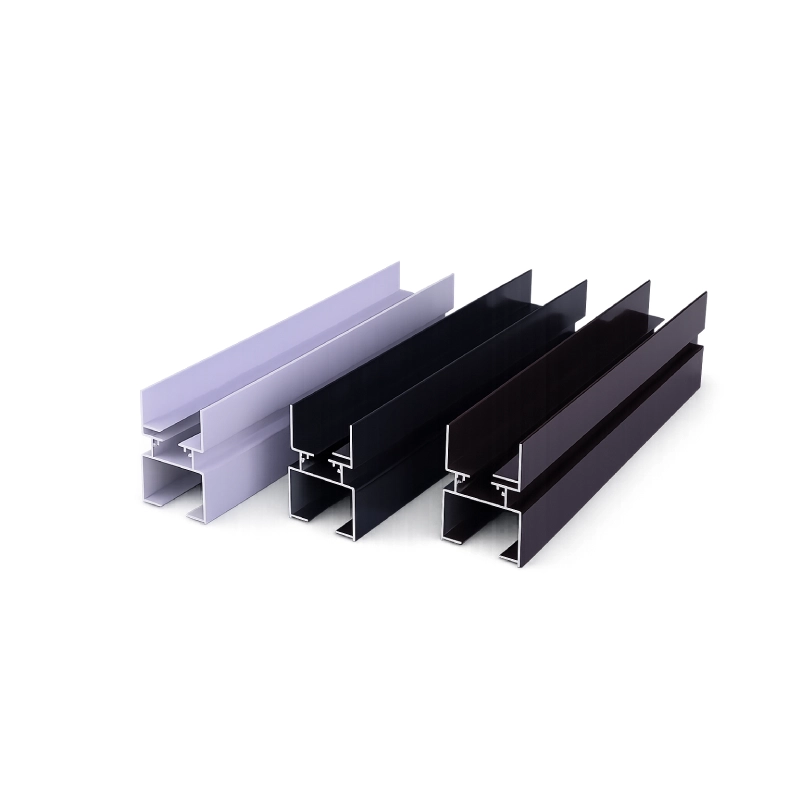
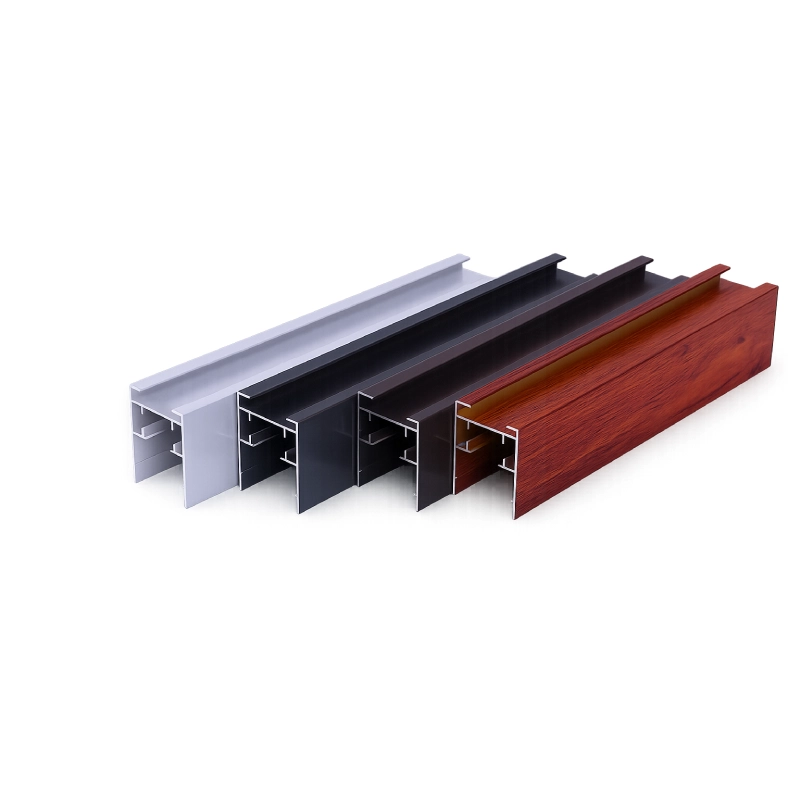
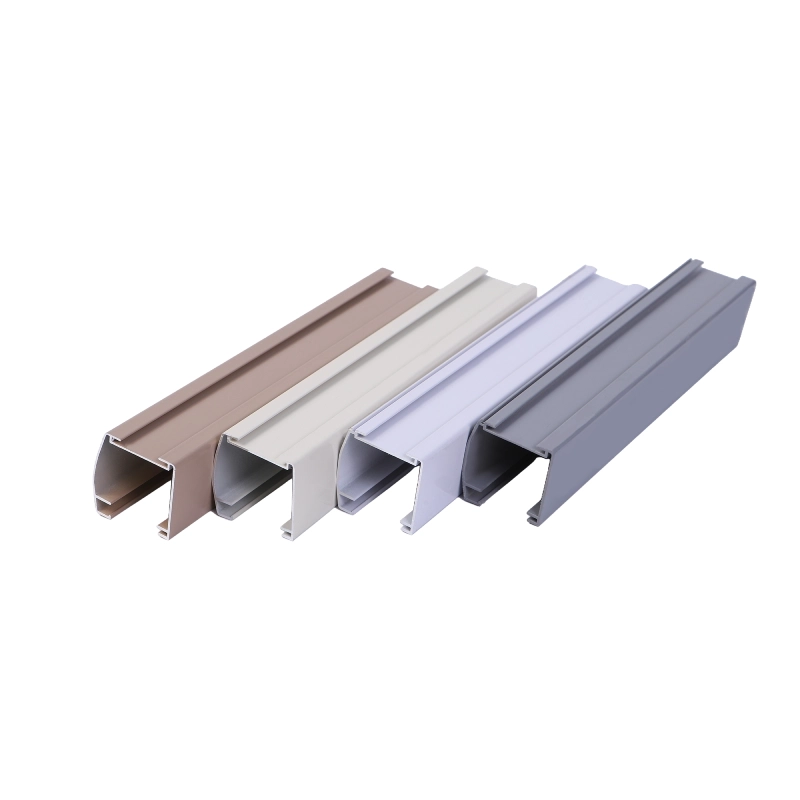
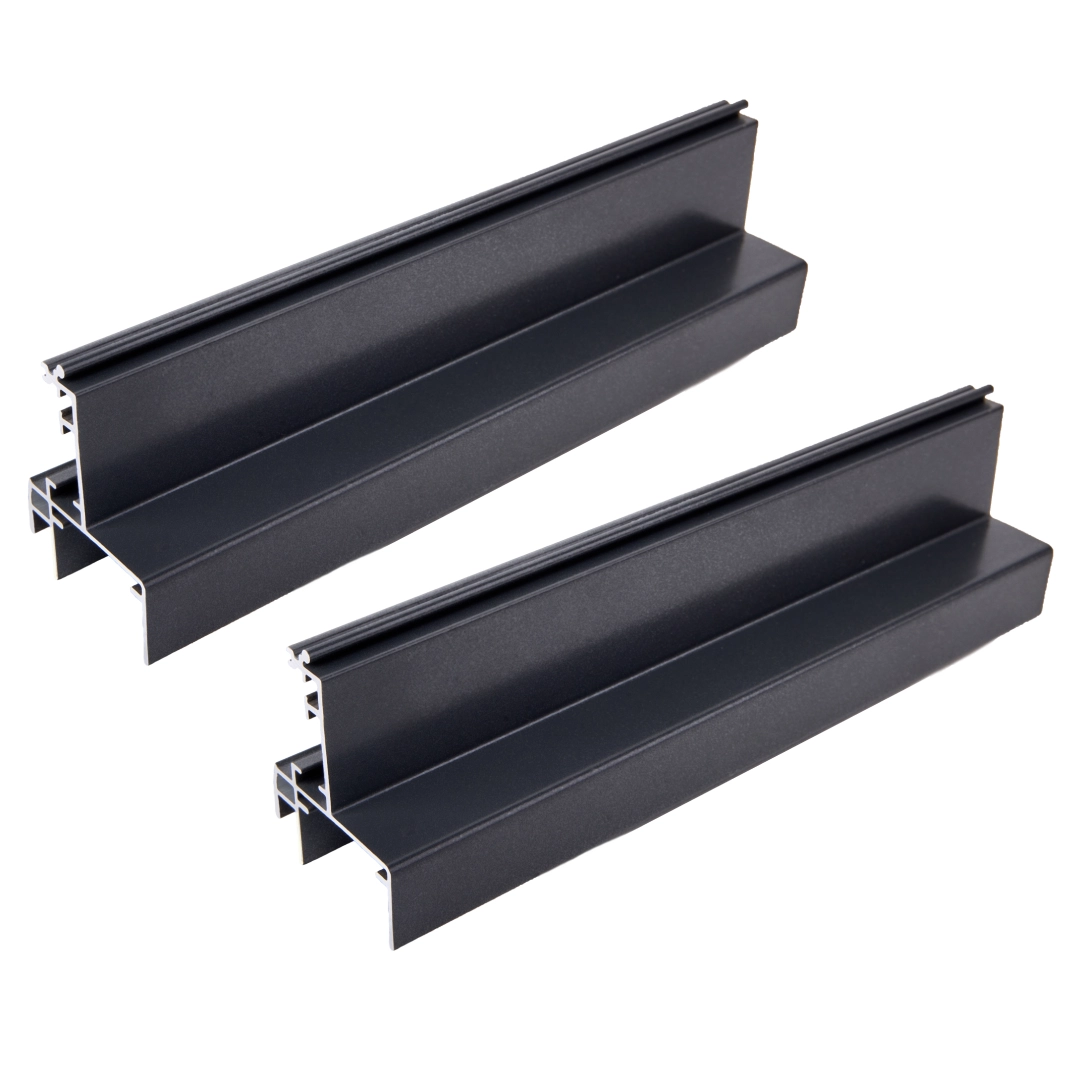
A complete cellular shade system is built from three key track components: the top rail, the bottom rail, and the side tracks. Together, they support the fabric, guide movement, and improve insulation performance.
The top rail is the upper support that holds the entire shade in place. For cordless and motorized shades, the lifting mechanism is hidden inside this rail. It keeps the fabric aligned and ensures smooth, consistent operation. The top rail also affects the aesthetics—high-quality rails have clean edges and a slim design that blends easily with modern interiors.
The bottom rail is the movable bar at the lower end of the shade. It helps the shade raise and lower evenly, provides weight stability, and seals the bottom gap to prevent light from leaking through. A well-designed bottom rail also makes the shade easier to operate manually because it creates balanced tension across the fabric.
Side tracks are optional but highly functional components installed along the left and right sides of the window. They block light entering from the edges, improve room-darkening performance, and keep the shade from swaying. This improves insulation and energy efficiency, making side tracks especially valuable for blackout fabric or drafty windows.
Together, these three rails form the structural framework of the shade and determine how smoothly, quietly, and efficiently it performs.
Q2: How does the top rail affect the cellular shade?
The top rail is one of the most important structural parts of a cellular shade. It holds the fabric in place, contains the lifting mechanism (for cordless or motorized designs), and ensures that every movement of the shade stays straight and stable. A well-engineered top rail prevents the shade from sagging or tilting and helps maintain the shape of the honeycomb fabric over years of use.
For cordless shades, the tension system is hidden inside the top rail. If this component is poorly built, the shade may lift unevenly or get stuck halfway. High-quality top rails use reinforced aluminum or engineered composite materials to provide both strength and lightweight performance.
In motorized systems, the top rail houses the motor, battery, or wiring. A stable top rail ensures the motor operates smoothly and quietly, extending its lifespan. It also supports the electrical components, which is why most high-end smart shades use stronger materials like powder-coated aluminum.
Q3: What does the bottom rail and why it's important?
The bottom rail plays a crucial role in how smoothly a cellular shade operates. Its primary function is to provide weight and balance so the fabric can rise and lower evenly. Without a well-balanced bottom rail, cordless shades may tilt to one side, motorized shades may strain during operation, and the fabric may wrinkle or age prematurely.
A good bottom rail also seals the lower gap between the window sill and the shade. This helps block drafts in winter and reduces heat gain during summer—especially useful when paired with honeycomb fabric designed for insulation. In blackout shades, the bottom rail is even more important because light leaking from the bottom edge can affect the whole room.
Modern bottom rails are usually made of aluminum or strengthened plastic composites. Aluminum is preferred because it resists bending, maintains its weight distribution, and provides long-term durability. Some designs include rubberized or fabric-wrapped components to create a softer, quieter close when the shade is fully lowered.
The bottom rail is also key for TDBU (Top-Down Bottom-Up) shades, which use two rails instead of one. In those systems, the rail must be perfectly engineered to move smoothly without damaging the fabric.
Q4: What are side tracks, and how do they improve blackoutn?
Side tracks are vertical rails installed on both sides of the window frame to block gaps where light and air normally enter. These tracks dramatically improve the performance of cellular shades, especially when using blackout or room-darkening fabrics.
Without side tracks, small slivers of light can sneak in around the edges no matter how perfect the installation is. Side tracks seal these gaps, making the shade truly effective for bedrooms, nurseries, home theaters, and offices where strong light control is needed.
Beyond blocking light, side tracks greatly enhance energy efficiency. Cellular shades trap air inside their honeycomb structure, but if air flows freely around the outside edges, the insulation is weakened. Side tracks stop drafts, helping maintain indoor temperature more effectively. This reduces heating and cooling costs and makes the room feel more comfortable year-round.
Side tracks also improve stability by preventing the shade from swaying, especially near open windows or air vents. This protects the fabric from rubbing against the frame, reducing wear and extending the lifespan of the shade.
Q5: Different tracks for cellular shade
In most cases, yes—top rails, bottom rails, and side tracks can be used with corded, cordless, motorized, and top-down bottom-up shades, but compatibility depends on the design and manufacturer.
Cordless cellular shades require a strong top rail because the lifting mechanism is built into it. Most modern cordless systems work perfectly with side tracks as long as the shade is measured precisely.
Corded cellular shades are generally the most flexible and can use any type of rail or track. The cord system runs along the fabric, so the rails mainly serve as structural support.
Motorized cellular shades often rely on reinforced aluminum top rails that house the motor and battery. Many motorized blackout shades include side tracks as a standard feature to improve light blocking. As long as the motor operates in a straight line—and the tracks provide that alignment—there is no issue.
TDBU cellular shades require two moving rails: a floating middle rail and a bottom rail. Tracks must be specifically designed for dual-rail movement. These systems work extremely well with side tracks because the tracks keep both moving rails aligned.